
Field Notes
5 Essential Knots Everyone Should Know for Survival

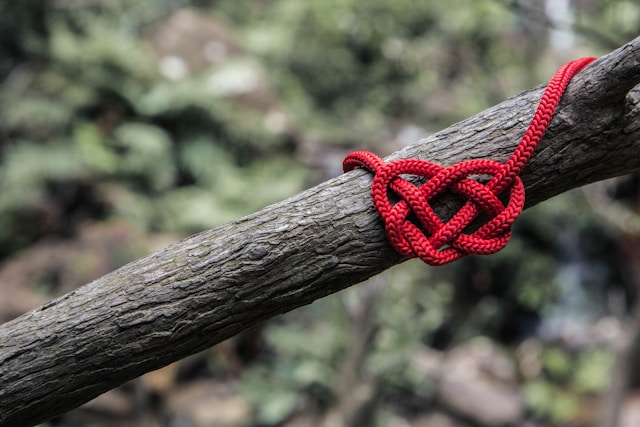
When people think about survival skills, they often picture fire-starting, shelter-building, or finding food. But one of the most overlooked—and incredibly useful—skills is knowing how to tie the right knot.
A strong, reliable knot can help you build shelter, secure gear, create tools, and even save your life in an emergency. The best part? You don’t need to learn dozens of complicated knots. Just a few well-chosen ones can handle most survival situations.
Here are five essential knots everyone should know, along with when and why to use them.
1. The Square Knot (Reef Knot) – For Binding Items Together
The square knot is one of the simplest and most widely used knots. It’s ideal for tying two ends of a rope together when you need a quick and secure hold.
You can use it for:
- Bundling firewood
- Securing a tarp or blanket
- Tying bandages in a first aid situation
To tie it, remember this simple pattern: “right over left, then left over right.”
Important note: The square knot works best under steady tension. It can slip if the rope is pulled unevenly, so avoid using it in high-stress situations like climbing.
2. The Bowline Knot – For Creating a Strong Fixed Loop
The bowline is often called the “rescue knot” because it creates a secure loop that won’t tighten or slip under pressure.
This makes it perfect for:
- Creating a loop to secure around your waist or an object
- Lifting or lowering gear
- Emergency rescue situations
One of the biggest advantages of the bowline is that it’s easy to untie—even after bearing heavy weight.
Why it matters: When you need a dependable loop that won’t fail, the bowline is one of the best knots you can use.
3. The Taut-Line Hitch – For Adjustable Tension
The taut-line hitch is extremely useful when you need a knot that can slide and adjust while still holding firmly under tension.
It’s commonly used for:
- Securing tent lines or tarps
- Adjusting shelter tightness
- Anchoring ropes that need flexibility
Once tied, you can slide the knot to tighten or loosen the rope, then it locks in place when tension is applied.
Pro tip: This knot is especially helpful in changing weather conditions, where you may need to adjust your shelter quickly.
4. The Clove Hitch – For Quick and Temporary Holds
The clove hitch is a fast and simple knot used to secure a rope to a post, tree, or pole. It’s easy to tie and untie, making it great for temporary setups.
Use it for:
- Starting a shelter frame
- Securing ropes to branches
- Holding items in place temporarily
However, it’s not the strongest knot for long-term use. It can slip if not under constant tension, so it’s best used as a quick solution rather than a permanent one.
Best use case: When you need something tied down fast and plan to adjust it later.
5. The Figure-Eight Knot – For Strength and Safety
The figure-eight knot is known for its strength and reliability. It’s often used in climbing and rescue situations because it creates a secure loop that’s less likely to weaken the rope.
You can use it for:
- Creating strong anchor points
- Securing ropes under heavy load
- Situations where safety is critical
Compared to simpler knots, the figure-eight is slightly more complex—but it’s worth learning because of how dependable it is.
Why Learning Knots Matters More Than You Think
In a survival situation, having rope or cordage is incredibly valuable—but only if you know how to use it effectively. The right knot can:
- Keep your shelter stable in bad weather
- Prevent gear from being lost or damaged
- Help you carry, lift, or secure heavy items
- Improve safety in risky situations
Even outside of emergencies, these knots are useful for camping, home projects, and everyday problem-solving.
Tips for Practicing and Remembering Knots
Learning knots doesn’t have to be difficult. A little practice goes a long way.
- Start with one knot at a time: Master it before moving on
- Practice regularly: Repetition builds muscle memory
- Use real situations: Try tying knots while camping or at home
- Keep a short piece of rope handy: Practice whenever you have a few minutes
The more familiar you are with these knots, the faster and more confidently you’ll be able to use them when it matters.
Final Thoughts
You don’t need to be an expert to benefit from knowing a few essential knots. These five options cover a wide range of situations and can make everyday tasks—and emergency scenarios—much easier to handle.
In survival, simple skills often have the biggest impact. Taking the time to learn and practice these knots now can give you a real advantage when you need it most.
Because sometimes, the difference between a problem and a solution is just knowing how to tie the right knot.