

Field Notes
5 Ways to Prepare Kids for Emergency Situations

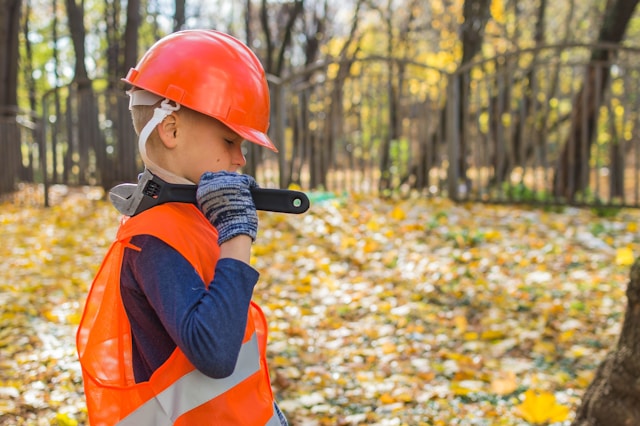
Emergencies can be stressful and confusing for adults—but for children, they can feel overwhelming and frightening. Whether it’s a severe storm, power outage, wildfire, or another unexpected event, kids look to the adults around them for guidance and reassurance.
The good news is that children can learn basic safety skills much more easily than many people realize. In fact, teaching kids simple emergency habits not only improves safety, but also helps build confidence, independence, and calmer decision-making during stressful moments.
The key is to teach preparedness in a calm, age-appropriate way without creating fear.
Here are five smart and practical ways to teach kids emergency safety and help them feel more prepared during uncertain situations.
1. Teach Kids the Basics of Staying Calm
One of the most important survival skills for children isn’t physical—it’s emotional. Panic can make emergencies more difficult, while calm thinking helps children follow instructions and make safer choices.
Teach children simple ways to stay calm, such as:
- Taking slow, deep breaths
- Listening carefully to instructions
- Staying close to trusted adults
You can even turn it into a simple practice routine at home:
- “Stop, breathe, think, then act.”
Children who practice calm responses ahead of time are more likely to react effectively during real emergencies.
Why it matters: A calm child is easier to guide and far safer in stressful situations.
2. Create a Simple Family Emergency Plan
Children feel more secure when they know what to expect. A clear family emergency plan removes uncertainty and gives everyone a sense of direction.
Your plan should include:
- Safe meeting places
- Emergency phone numbers
- What to do if separated
- Basic evacuation routes
Keep instructions simple and easy to remember based on the child’s age.
Practice the plan occasionally so it becomes familiar rather than frightening.
Pro tip: Turn practice drills into positive learning experiences instead of scary scenarios.
3. Teach Kids How to Call for Help
Every child should know how to get help during an emergency.
Teach them:
- How to call emergency services
- Their full name and home address
- How to describe a problem clearly
You can role-play simple situations so they become more comfortable speaking during stressful moments.
For younger children, keep emergency contact information visible and easy to access.
Important: Emphasize that emergency calls are only for real emergencies.
4. Prepare a Kid-Friendly Emergency Kit
Emergency kits aren’t just for adults. Giving children their own small emergency bag can help them feel involved and more secure.
A child’s emergency kit might include:
- Water and snacks
- A flashlight
- Comfort items like a small toy or blanket
- Extra clothing
- Simple hygiene items
Allowing kids to help choose a few items gives them a sense of control and participation.
Why it works: Familiar objects can reduce stress during difficult situations.
5. Teach Basic Safety Skills Through Everyday Activities
Emergency preparedness doesn’t have to feel like a lesson. Many important safety skills can be taught naturally through daily life.
Examples include:
- Identifying exits in public places
- Recognizing safe adults to ask for help
- Learning how to stay visible if lost
- Understanding basic weather safety
The more these ideas become part of normal conversation, the more comfortable children will feel using them if needed.
Extra Tips for Teaching Kids Emergency Safety
- Keep explanations age-appropriate and simple
- Avoid using fear-based language
- Praise children for learning and practicing skills
- Repeat lessons regularly without overwhelming them
Preparedness should build confidence—not anxiety.
Why Emergency Preparation Helps Children Emotionally
Children often feel powerless during emergencies. Teaching them simple actions they can take helps reduce fear and builds resilience.
Prepared children are more likely to:
- Stay calmer under stress
- Follow directions more effectively
- Feel safer and more confident
Even small skills can make a major emotional difference during uncertain situations.
Common Mistakes Parents Should Avoid
When teaching emergency safety, avoid:
- Giving too much information at once
- Using frightening worst-case scenarios
- Assuming children will remember after one conversation
Instead, focus on repetition, encouragement, and simple practical steps.
Final Thoughts
Children don’t need to know everything about survival or emergencies—but they do need guidance, reassurance, and simple skills they can rely on when things feel uncertain.
Teaching kids emergency safety is really about helping them feel prepared instead of helpless. Small lessons practiced over time can build confidence that lasts for years.
Because in difficult moments, calm preparation can help children feel safer, stronger, and far less afraid.