
Field Notes
10 Ways to Use a Flashlight in Survival Mode

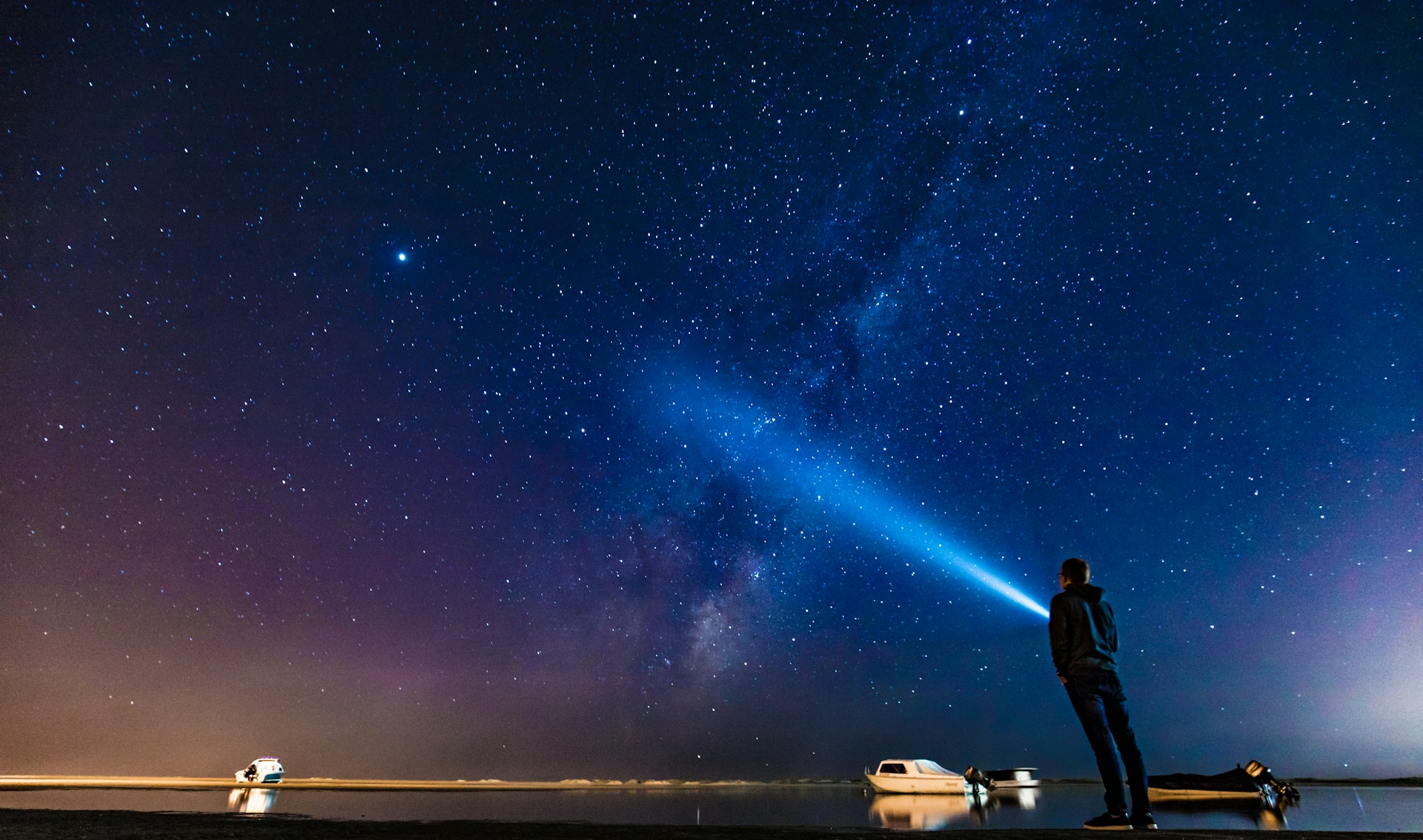
When most people think of a flashlight, they think of one thing: light. But in a survival situation, your flashlight is one of the most multi-functional tools you can carry. From signaling rescue teams to starting fires, here are 10 ways to get the most out of your flashlight when it matters most.
- Navigation in Complete Darkness
The most obvious but most critical use. A flashlight turns a treacherous night trail into a manageable path. Sweep low to spot roots, rocks, and drop-offs before you step. Conserve battery by using short, deliberate bursts rather than keeping it on continuously.
- Emergency Signaling (SOS)
Three short flashes, three long, three short — the universal SOS in Morse code. Rescue teams scan for this pattern. At night, a signal visible over 3+ miles can mean the difference between being found and being missed. Use the strobe mode if your light has one.
- Fire Starting (Lens Method)
Remove the reflector lens and use it as a magnifying glass on a sunny day to concentrate solar energy onto tinder. This only works with the right light design, but many tactical flashlights have a removable focusing lens. Zero battery required.
- Self-Defense Deterrent
A high-lumen burst (500+ lumens) aimed directly at an attacker’s eyes causes temporary blindness for several seconds. Most tactical flashlights have a strobe function specifically designed for this. The bright strobe disorients and creates an opportunity to escape.
- Lantern Mode with a Water Bottle
Place a flashlight facing upward under a full water bottle or translucent container. The water diffuses the beam, turning a narrow spotlight into a soft 360° lantern — enough to illuminate an entire tent or shelter. A brilliant trick when hands-free ambient light is needed.
- Attracting (or Scaring Away) Wildlife
Animals are generally startled by sudden light. Flash a bright beam directly at a predator to discourage approach. On the flip side, insects are attracted to light — useful if you’re trying to fish or collect protein in a survival scenario. Point the beam at a water surface to draw them in.
- Medical Examination
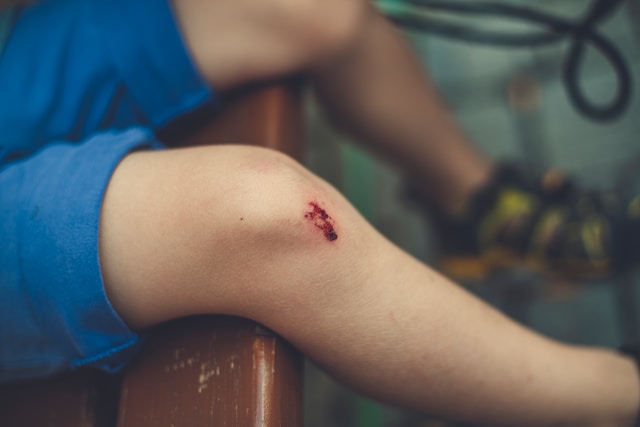
Check wounds, splinters, eye injuries, or throat obstructions in low-light conditions. A focused beam is essential for performing first aid accurately at night or in a dimly lit shelter. Triage conditions, assess pupil response, and examine injuries that would otherwise be dangerously guesswork in the dark.
- Marking Your Location or Trail
Flash your light at regular intervals at camp while team members scout. Agree on a specific pattern beforehand. At night this acts as a homing beacon. You can also tape light-stick material over the lens to create a low-power amber marker light that signals your position without draining battery fast.
- Telling Time by Shadow Angle
If you’ve lost your watch, use your flashlight and a stick in the ground. Shine the light horizontally from the north (or use a compass) and observe the shadow length relative to sunrise/sunset markers. Combined with knowledge of the season, you can estimate the hour reliably enough for survival planning.
- Emergency Power Source
Many modern flashlights use standard AA or AAA batteries, which can be repurposed to power radios, small fans, or other survival gear. Some tactical models include USB-out ports that can charge a phone. In a pinch, the batteries themselves are a bargaining chip in group survival scenarios.
Tags: survival, flashlight, emergency prep, outdoors, gear guide, bushcraft