
Field Notes
5 Critical Things to Do in Your First 24 Hours Lost


Getting lost—whether on a hike, during travel, or in an unfamiliar area—can turn serious faster than most people expect. The first 24 hours are the most important. What you do (or don’t do) during this window can determine whether you’re found quickly or face a much longer, more difficult situation.
The biggest danger isn’t always the environment—it’s panic, poor decisions, and wasted energy. Staying focused and following a simple plan can dramatically improve your chances of getting through safely.
Here are five critical actions to take in your first 24 hours if you find yourself lost.
1. Stay Put If Possible (Avoid Making Things Worse)
Your first instinct might be to keep moving in hopes of finding a way out. In many cases, that’s the wrong move. Wandering aimlessly can take you farther from safety and make it harder for rescuers to locate you.
If someone knows where you were headed—such as a trail, campsite, or planned route—staying in one place increases your chances of being found quickly.
Before deciding to move, ask yourself:
- Does anyone know where I am or where I was going?
- Is it safe to stay here?
- Am I at risk from weather, flooding, or other dangers?
If your location is reasonably safe, staying put allows you to conserve energy, establish a base, and focus on signaling for help.
Exception: If your current spot is dangerous (such as near rising water or extreme exposure), move to a safer nearby location—but avoid unnecessary travel.
2. Find Water Early Before Dehydration Sets In
Water should become your next priority. Even mild dehydration can reduce your ability to think clearly and make good decisions.
Look for nearby sources such as:
- Streams or rivers
- Rainwater
- Natural low points where water collects
If you find water, do your best to purify it before drinking. If that’s not possible, weigh the risk—hydration is still critical, especially in hot conditions.
Important tip: Don’t wait until you feel extremely thirsty. Start thinking about water early while you still have energy and clarity.
3. Build Shelter Before Conditions Get Worse
Many people delay building shelter until nightfall, which is often too late. As temperatures drop or weather changes, exposure becomes a serious risk.
Even a basic shelter can:
- Protect you from wind and rain
- Help retain body heat
- Improve your ability to rest
Look for natural cover first, such as trees or rock formations. If none are available, build a simple shelter using branches, leaves, or any materials you can find.
Key point: Your shelter doesn’t need to be perfect—it just needs to work. Focus on speed and protection over comfort.
4. Signal for Help as Soon as Possible
Once you’ve secured your immediate needs, make it a priority to be seen and heard. The sooner you start signaling, the better your chances of a quick rescue.
Effective signaling methods include:
- Using reflective objects (mirrors, metal, phone screens)
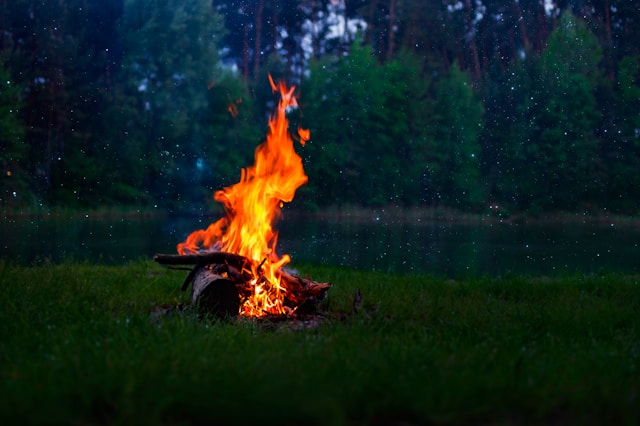
- Creating smoke from a controlled fire
- Laying out bright materials in visible patterns
- Using a whistle or making repeated noises
If possible, create signals that can be seen from above, especially if search teams are involved. Large, clear markings or patterns can stand out from the environment.
Pro tip: Use multiple signaling methods at once to increase your visibility.
5. Stay Calm and Focused (This Is Your Greatest Advantage)
Panic is one of the biggest threats in any survival situation. It leads to rushed decisions, wasted energy, and mistakes that can make things worse.
Take a moment to slow down, breathe, and assess your situation. Focus on what you can control:
- Your location
- Your resources
- Your next steps
Break your situation into small, manageable tasks—find water, build shelter, signal for help. This approach keeps your mind focused and prevents overwhelm.
Remember: Staying calm helps you think clearly, and clear thinking leads to better outcomes.
Extra Tips for Your First 24 Hours
To further improve your chances, keep these additional strategies in mind:
- Stay visible: Avoid dense areas where you can’t be seen
- Mark your location: Use visible signs or markers
- Conserve energy: Don’t overexert yourself unnecessarily
- Keep track of time: Plan your actions around daylight
- Stay dry: Wet clothing increases risk of hypothermia
Final Thoughts
The first 24 hours of being lost are critical, but they’re also manageable if you stay focused and take the right steps. Survival isn’t about doing everything perfectly—it’s about doing the most important things first.
Stay put if it’s safe, secure water, build shelter early, signal for help, and keep your mind steady. These actions work together to give you the best possible chance of being found quickly.
Above all, remember this: survival is just as much mental as it is physical. Stay calm, think clearly, and take things one step at a time.