
Field Notes
5 Things Every Basic First Aid Kit Must Have

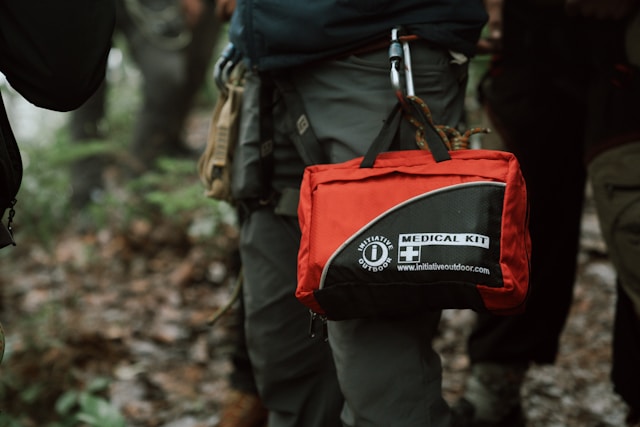
In an emergency, injuries rarely happen at a convenient time—or in a place where help is immediately available. Whether you’re at home, on the road, or outdoors, having a well-prepared first aid kit can make a critical difference.
The key isn’t having a massive medical bag filled with complicated tools. It’s about having the right essentials—items that can handle the most common injuries quickly and effectively.
Here are five must-have items every basic first aid kit should include.
1. Adhesive Bandages and Sterile Gauze for Wounds
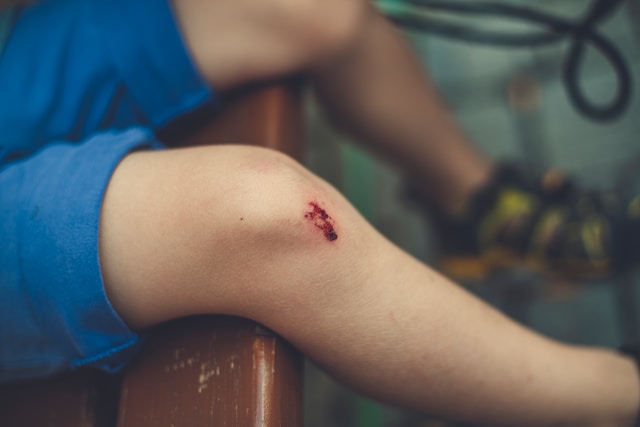
Cuts and scrapes are among the most common injuries. Having a variety of adhesive bandages and sterile gauze allows you to quickly cover and protect wounds.
Use bandages for small cuts and blisters, and gauze for larger wounds that need more coverage. Keeping wounds clean and covered helps prevent infection and speeds up healing.
Pro tip: Include medical tape to secure gauze in place when needed.
2. Antiseptic Wipes or Solution to Prevent Infection
Cleaning a wound is just as important as covering it. Dirt and bacteria can quickly lead to infection if not treated properly.
Antiseptic wipes or solutions help disinfect cuts, scrapes, and minor injuries before bandaging. They’re lightweight, easy to use, and essential for maintaining hygiene in any situation.
Why it matters: Infection can turn a minor injury into a serious problem if left untreated.
3. Pain Relievers for Comfort and Function
Pain can affect your ability to think clearly and act effectively. Over-the-counter pain relievers can help manage discomfort and keep you functioning.
Common options include:
- Acetaminophen
- Ibuprofen
These can also help reduce inflammation and fever if needed.
Important: Always follow dosage instructions and store medications safely.
4. Tweezers and Small Tools for Precision Tasks
Tweezers may seem like a small addition, but they’re incredibly useful. They can help remove splinters, ticks, or debris from wounds.
Other helpful tools include:
- Small scissors (for cutting tape or clothing)
- Safety pins (for securing bandages)
These tools make it easier to handle minor medical situations with more control and accuracy.
5. Gloves and Basic Protection for Safety
Protecting yourself while treating injuries is just as important as treating the injury itself. Disposable gloves help prevent the spread of bacteria and keep both you and the injured person safe.
They’re especially important when dealing with open wounds or bodily fluids.
Bonus: Consider adding a simple face mask for additional protection in certain situations.
Extra Items Worth Adding
While these five essentials form the core of a basic first aid kit, you may also want to include:
- Adhesive tape
- Elastic bandages for sprains
- Burn cream or gel
- Instant cold packs
- A small flashlight
Tailor your kit based on your environment and personal needs.
Tips for Maintaining Your First Aid Kit
A first aid kit is only useful if it’s ready when you need it.
- Check supplies regularly: Replace used or expired items
- Keep it accessible: Store it in a place that’s easy to reach
- Have multiple kits: One at home, one in your car, and one for travel
Being prepared ahead of time can save valuable minutes in an emergency.
Final Thoughts
You don’t need advanced medical training to make a difference in an emergency. Having a basic first aid kit—and knowing how to use it—can help you respond quickly and confidently when it matters most.
Simple tools, used correctly, can prevent small injuries from becoming serious problems.
In the end, preparation isn’t about expecting the worst—it’s about being ready to handle it if it happens.