
Field Notes
Could Your Pantry Support Your Family for Two Weeks?

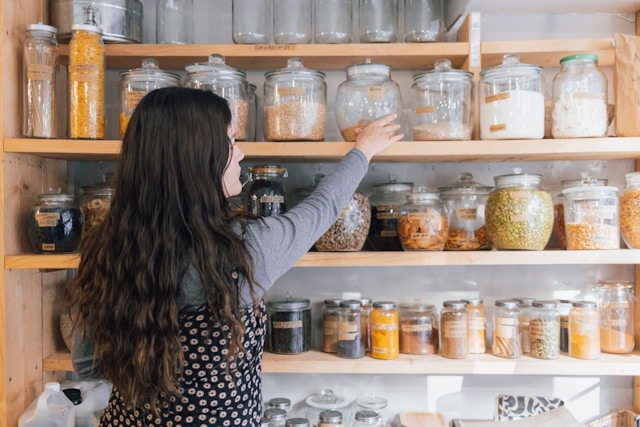
When people think about emergency preparedness, they often imagine dramatic disasters or extreme survival situations. But in reality, most emergencies are much closer to home. Severe storms, power outages, supply chain delays, job loss, or unexpected illness can quickly make grocery shopping difficult. That is why more families are asking an important question: could your pantry support your household for two full weeks if necessary?
Building a reliable emergency food supply is no longer something only survival experts discuss. Across the country, families are quietly stocking extra essentials to prepare for uncertain times. The good news is that creating a two-week pantry does not require expensive freeze-dried meals or a huge storage room. With careful planning and smart shopping, almost anyone can build a practical food reserve on a budget.
Why a Two-Week Emergency Food Supply Matters
Many emergency management agencies recommend households keep at least two weeks of food and water available. During major weather events or unexpected disruptions, grocery store shelves can empty surprisingly fast. Delivery delays and panic buying often make the situation worse.
A well-stocked pantry can help your family avoid unnecessary stress during difficult situations. Instead of rushing to crowded stores, you already have the basics at home. It can also help save money over time because buying shelf-stable foods in advance often reduces impulse spending during emergencies.
For older adults and families with children, having extra food on hand provides peace of mind that is hard to put a price on.
Start With Foods Your Family Already Eats
One of the biggest mistakes beginners make is purchasing large amounts of unfamiliar survival foods that nobody enjoys eating. A smarter strategy is to focus on everyday foods your family already uses regularly.
Some affordable pantry staples include:
- Rice
- Pasta
- Peanut butter
- Canned vegetables
- Canned beans
- Soups
- Oatmeal
- Tuna and canned chicken
- Shelf-stable milk
- Crackers
- Cereal
- Dried fruit
- Nuts
These foods are inexpensive, easy to store, and often last months or even years when kept properly.
The key is rotation. Use older items first and replace them during normal grocery trips. This helps prevent waste while keeping your emergency food supply fresh.
Don’t Forget About Water
Food is only part of emergency preparedness. Water is even more important. Experts commonly recommend storing at least one gallon of water per person per day for drinking and basic sanitation.
For a family of four, that means storing at least 56 gallons for two weeks.
If that sounds overwhelming, start small. Even storing a few extra cases of bottled water can make a major difference during short-term emergencies. Some families also invest in water purification filters or food-grade storage containers for long-term preparedness.
Easy Meal Ideas During Emergencies
An emergency pantry works best when meals are simple and flexible. During power outages or stressful situations, complicated recipes become less practical.
Here are a few easy meal combinations many families rely on:
- Rice with canned beans and vegetables
- Peanut butter crackers and fruit
- Oatmeal with dried fruit
- Pasta with canned sauce
- Soup with crackers
- Tuna sandwiches
- Instant potatoes with canned meat
If possible, consider keeping a backup cooking option available, such as a propane camp stove or outdoor grill. Always follow safety guidelines and never use outdoor cooking equipment indoors.
The Importance of Comfort Foods
Preparedness is not only about survival. Emotional comfort matters too, especially during stressful times.
Many families overlook the value of small comforts like coffee, tea, hot chocolate, snacks, or favorite treats. During emergencies, familiar foods can help reduce stress and improve morale for both children and adults.
Including a few comfort items in your emergency food supply can make difficult situations feel more manageable.
Watch Expiration Dates Carefully
Not all shelf-stable foods last forever. Some products remain safe for years, while others lose quality much faster.
Check expiration dates regularly and inspect packaging for damage, rust, or swelling. Organizing shelves by expiration date makes it easier to use older products first.
A simple habit of reviewing pantry supplies every few months can prevent waste and keep your emergency food supply ready when needed.
Budget-Friendly Ways to Build a Pantry
Creating an emergency pantry does not need to happen overnight. In fact, many preparedness experts recommend building supplies gradually.
Here are a few easy ways to start:
- Buy one or two extra canned goods during each shopping trip
- Watch for grocery store sales
- Purchase store brands when possible
- Use coupons strategically
- Focus on calorie-dense foods with long shelf lives
Even adding a few extra items each week can build a solid emergency pantry over time without straining your budget.
Emergencies Can Happen Without Warning
Many people assume they will have plenty of warning before a major emergency. Unfortunately, that is not always true. Storms can intensify quickly. Power grids can fail unexpectedly. Supply chain disruptions can affect stores with little notice.
Preparedness is not about fear. It is about reducing stress and giving your family more stability when life becomes unpredictable.
A well-stocked pantry is one of the simplest and most affordable ways to prepare for short-term emergencies. Whether facing a winter storm, hurricane, economic hardship, or temporary power outage, having extra food on hand can provide security when it matters most.
The question is no longer whether emergencies happen. The real question is whether your pantry is ready if they do.