
Field Notes
5 Ways to Keep Your Freezer Cold Longer During a Blackout

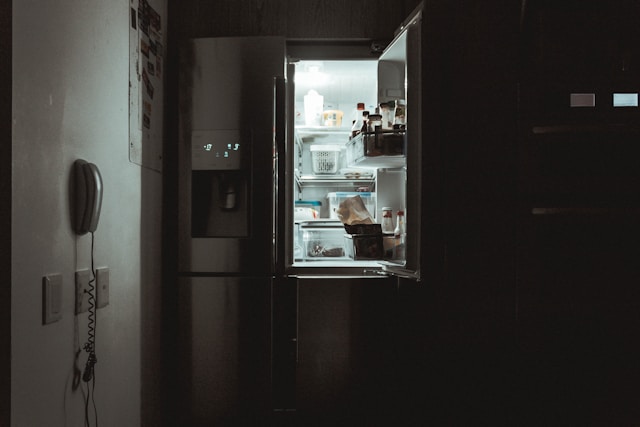
Power outages can happen unexpectedly during storms, heat waves, accidents, or grid failures. When the electricity goes out, one of the biggest concerns for many families is the food stored in the freezer. Without power, frozen food begins warming faster than most people realize—and replacing spoiled groceries can become expensive quickly.
The good news is that a few simple steps can help your freezer stay cold much longer during a blackout. The key is reducing temperature loss and protecting the cold air already trapped inside.
Here are five smart ways to keep your freezer cold without power and avoid wasting hundreds of dollars in spoiled food.
1. Keep the Freezer Door Closed as Much as Possible
The easiest and most important thing you can do during a blackout is simple: keep the freezer shut.
Every time the door opens:
- Cold air escapes
- Warm air enters
- Food temperature rises faster
A full freezer can often keep food frozen for around 48 hours if left unopened, while a half-full freezer may stay cold for about 24 hours.
Before opening the freezer, ask yourself whether it’s absolutely necessary.
Why it matters: The trapped cold air inside the freezer is your biggest advantage during a power outage.
2. Fill Empty Space to Hold Cold Temperatures Longer
A full freezer stays cold longer than an empty one because frozen items help stabilize the internal temperature.
If your freezer isn’t completely full, you can:
- Freeze containers of water ahead of time
- Store ice packs inside
- Use bags of ice to fill gaps
These frozen items act like additional thermal mass, slowing down warming during outages.
Bonus tip: Frozen water bottles can later provide drinking water as they melt.
3. Group Frozen Foods Together
Keeping frozen items tightly packed together helps them stay colder longer. Large frozen groups retain cold temperatures more effectively than items spread apart.
If the power goes out:
- Consolidate frozen foods into one section
- Keep meats and highly perishable items together
- Minimize air gaps between items
This helps create a colder central zone inside the freezer.
Key idea: Frozen food helps keep other frozen food cold.
4. Use Coolers Strategically for Frequently Needed Items
If you know you’ll need certain foods during the outage, transfer only those items into a cooler with ice instead of repeatedly opening the freezer.
Good items for coolers include:
- Drinks
- Snacks
- Frequently used foods
This reduces how often warm air enters the freezer itself.
Why it works: Every unnecessary freezer opening shortens how long food stays safe.
5. Monitor Food Temperature Carefully Before Using
When the power returns, check foods carefully before eating anything.
In general:
- Food that still contains ice crystals is often safer to refreeze
- A freezer temperature below 40°F helps preserve safety longer
- Foods with unusual smells, texture, or appearance should be discarded
A simple freezer thermometer can help you monitor temperatures more accurately during outages.
Important: When in doubt, throw it out. Food poisoning is never worth the risk.
Extra Tips to Keep Your Freezer Cold Longer
To improve freezer performance during blackouts even more:
- Avoid placing hot foods inside before storms
- Freeze meals and water containers ahead of severe weather
- Keep extra ice bags available during storm season
- Use insulated blankets around the freezer exterior if needed
- Know where local ice suppliers are located in advance
Preparation before an outage matters just as much as what you do during one.
Why Food Spoils Faster Than People Expect
Many people assume frozen food will stay safe indefinitely during outages, but temperature changes begin immediately once power stops.
Factors that speed up spoilage include:
- Frequent door openings
- Warm room temperatures
- A partially empty freezer
- Long outage durations
That’s why quick, smart action early in a blackout can save both food and money.
Common Mistakes to Avoid During a Power Outage
Avoid these common freezer mistakes:
- Opening the freezer repeatedly to check food
- Refreezing fully thawed meat without checking safety
- Leaving large air gaps inside the freezer
- Assuming cold food is automatically safe
Small mistakes can dramatically shorten food survival time.
Final Thoughts
Power outages are stressful enough without losing an entire freezer full of food. Fortunately, keeping your freezer cold longer often comes down to simple habits and preparation.
By keeping the door closed, maximizing frozen space, and reducing temperature loss, you can protect your food supply and avoid unnecessary waste.
Because during a blackout, every degree—and every hour—can make a big difference.