
Field Notes
5 Smart Ways to Protect Yourself in the Wild

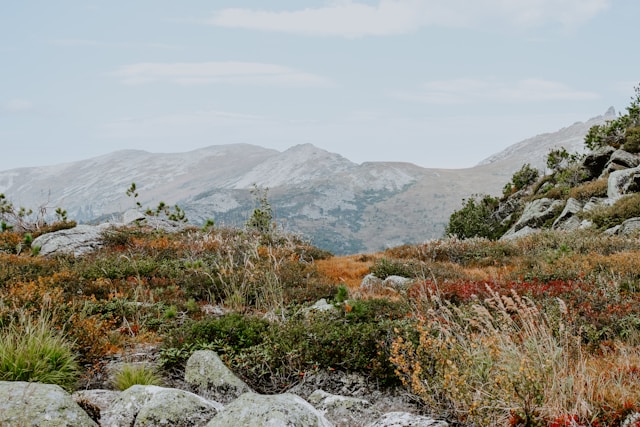
The outdoors can be peaceful, beautiful, and refreshing—but it can also be unpredictable. Weather changes, unfamiliar terrain, wildlife, and getting disoriented are all real risks when you’re away from developed areas. Even short trips can become dangerous if you’re not prepared.
The goal of outdoor safety isn’t to fear nature—it’s to understand it. When you know how to respond and prepare properly, you reduce risk and increase confidence in any environment.
Here are five smart, practical ways to stay safe in the wild and protect yourself when it matters most.
1. Always Let Someone Know Your Plans
One of the simplest but most important safety steps happens before you even leave home. Always tell someone where you are going and when you expect to return.
This can include:
- Your hiking route
- Your destination
- Your estimated return time
If something goes wrong, this information can help rescuers find you faster.
Why it matters: Many outdoor emergencies become serious simply because no one knows where the person went.
2. Stay Aware of Your Surroundings at All Times
Distraction is one of the biggest risks in outdoor environments. It’s easy to get caught up in scenery, photos, or exploring—and lose track of where you are.
Make it a habit to:
- Look behind you frequently so you recognize the return path
- Pay attention to landmarks like trees, rocks, and terrain changes
- Avoid moving too far off marked trails
Being aware of your surroundings helps prevent getting lost and makes navigation much easier if you need to retrace your steps.
Pro tip: If something looks unfamiliar, stop and reassess instead of moving forward blindly.
3. Carry Basic Survival Essentials Every Time
Even short trips can turn unexpected, so carrying basic supplies is important. You don’t need heavy gear—just essentials that improve your safety.
A simple outdoor safety kit may include:
- Water or a filtration method
- A flashlight or headlamp
- A whistle
- A small first aid kit
- A fire-starting tool
- A lightweight emergency blanket
These items don’t take up much space, but they can make a major difference in an emergency.
Why it matters: Small tools often solve big problems in survival situations.
4. Learn to Recognize Safe Shelter Options
If you ever need to stop and wait for help, shelter becomes your priority. Exposure to cold, wind, or rain can quickly lead to dangerous conditions.
Look for:
- Natural cover like caves or rock overhangs
- Areas protected from wind
- Dry ground away from water runoff
If natural shelter isn’t available, you can use branches, leaves, or clothing to create basic protection.
Key idea: Staying dry and protected from wind is more important than comfort.
5. Avoid Risky Decisions When You Feel Uncertain
Many outdoor emergencies escalate because of rushed or emotional decisions. If you feel unsure, disoriented, or tired, it’s better to pause than to push forward blindly.
Instead:
- Stop and evaluate your situation
- Rest if needed to regain clarity
- Stick to simple, safe actions
Panic and exhaustion can lead to poor judgment, so slowing down can actually improve your safety.
Important mindset: Survival is not about speed—it’s about smart decisions.
Extra Safety Tips for Outdoor Protection
To further improve your safety in the wild, keep these additional habits in mind:
- Dress in layers suitable for changing weather
- Stay hydrated before thirst sets in
- Avoid traveling alone when possible
- Check weather conditions before leaving
- Respect wildlife and keep a safe distance
These small steps can significantly reduce risk in outdoor environments.
Final Thoughts
The outdoors doesn’t have to be dangerous, but it does require awareness and preparation. Most risks can be reduced or avoided entirely by making smart choices before and during your time outside.
Staying safe in the wild is about being proactive, not reactive. Plan ahead, stay alert, and always respect the environment you’re in.
Because in nature, the best protection isn’t fear—it’s knowledge and preparation.