
Field Notes
5 Smart Ways to Build an Emergency Food Supply on a Budget

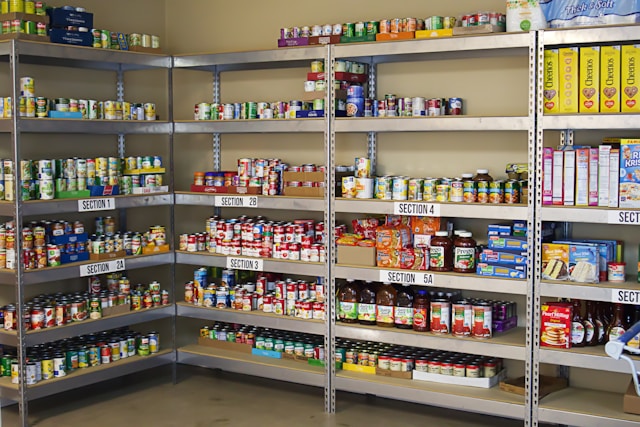
When people think about emergency preparedness, stocking up on food can feel expensive and overwhelming. But the truth is, you don’t need to spend a fortune to build a reliable food supply. With a smart approach, you can create a запас that lasts—without straining your budget.
The key is to focus on affordability, shelf life, and versatility.
Here are five practical ways to build an emergency food supply without overspending.
1. Start Small and Build Consistently
One of the biggest mistakes people make is trying to buy everything at once. That can quickly become costly and discouraging.
Instead, add a few extra items to your grocery cart each week. Over time, your supply will grow without putting pressure on your budget.
Even $5–$10 per trip can make a noticeable difference over a few months.
Why it works: Consistency beats large, one-time purchases.
2. Focus on Affordable, Long-Lasting Staples
Some of the best emergency foods are also the cheapest. Look for items that are:
- Shelf-stable
- Nutrient-dense
- Easy to prepare
Good options include:
- Rice
- Beans
- Pasta
- Oats
- Canned vegetables and meats
These foods last a long time and can be used in a variety of meals.
3. Buy in Bulk When It Makes Sense
Buying in bulk can save money—but only if you choose items you’ll actually use.
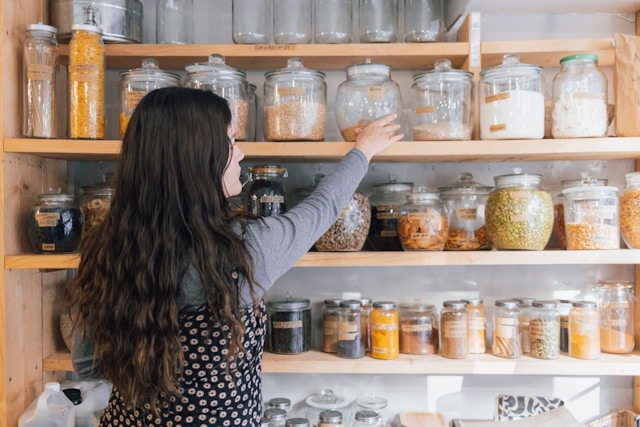
Warehouse stores and bulk bins often offer lower prices per unit. Focus on staple items that have a long shelf life and won’t go to waste.
Pro tip: Split bulk purchases into smaller containers to keep them fresh longer.
4. Rotate Your Food to Avoid Waste
An emergency food supply shouldn’t just sit untouched. Make it part of your regular meals and replace items as you use them.
This “first in, first out” approach ensures your food stays fresh and nothing goes to waste.
Simple habit: Store newer items behind older ones so you use the older food first.
5. Watch for Sales and Stock Up Strategically
Sales are one of the best opportunities to grow your food supply cheaply. When staple items go on sale, buy extra and store them.
Over time, you’ll build a supply at a fraction of the cost.
Bonus tip: Use coupons or store discounts when possible to stretch your budget even further.
Final Thoughts
Building an emergency food supply doesn’t have to be expensive or complicated. By starting small, focusing on affordable staples, and shopping strategically, you can create a запас that gives you peace of mind.
Preparation isn’t about spending more—it’s about planning smarter.