
Field Notes
5 Ways to Navigate Without GPS (Old-School Skills That Still Work)

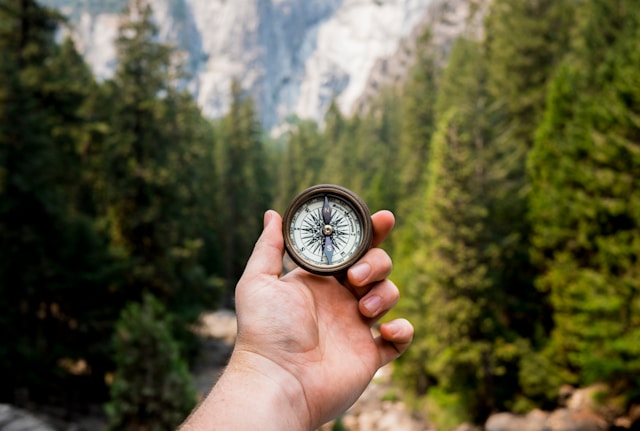
Modern navigation tools make travel incredibly easy—until they stop working. A dead phone battery, lost signal, or damaged device can leave you without direction in seconds. When that happens, basic navigation skills become more than useful—they become essential.
The good news is that people successfully navigated the world long before GPS existed. With a little awareness and a few simple techniques, you can still find your way using nature and observation.
Here are five reliable, time-tested ways to navigate without GPS.
1. Use the Sun to Find Direction During the Day
The sun is one of the most dependable natural navigation tools available. It rises in the east and sets in the west, giving you a general sense of direction throughout the day.
In the morning, the sun will be toward the east. By midday, it will be higher in the sky (generally toward the south in the Northern Hemisphere). In the evening, it moves toward the west.
For a more precise method, you can use the shadow stick technique:
- Place a stick upright in the ground
- Mark the tip of its shadow
- Wait 15–20 minutes and mark the new shadow position
- The line between the two marks runs roughly west to east
This simple trick can help you establish direction even if you’re unsure where you are.
2. Follow Water to Increase Your Chances of Finding Help
Water sources can often lead you toward civilization. Small streams usually flow into larger rivers, and rivers often lead to populated areas such as towns, farms, or roads.
Walking downstream is generally the best approach, as it increases your chances of encountering signs of human activity. Along the way, you may find bridges, trails, or campsites.
However, be cautious. Rivers can be dangerous to cross, and following them through rough terrain can be challenging. Always prioritize safety and avoid taking unnecessary risks.
Why this works: People tend to settle near water, making it a natural path toward help.
3. Use Landmarks to Stay Oriented
Landmarks are one of the simplest and most effective navigation tools. These can include mountains, large trees, rock formations, or even man-made structures.
When moving through an unfamiliar area:
- Pick a visible landmark in the distance
- Walk toward it while keeping it in sight
- Once you reach it, choose another landmark ahead
This method helps you maintain a consistent direction and prevents you from wandering in circles—a common problem when visibility is limited.
It’s also helpful to turn around occasionally and look at your path from the opposite direction. This makes it easier to recognize your surroundings if you need to retrace your steps.
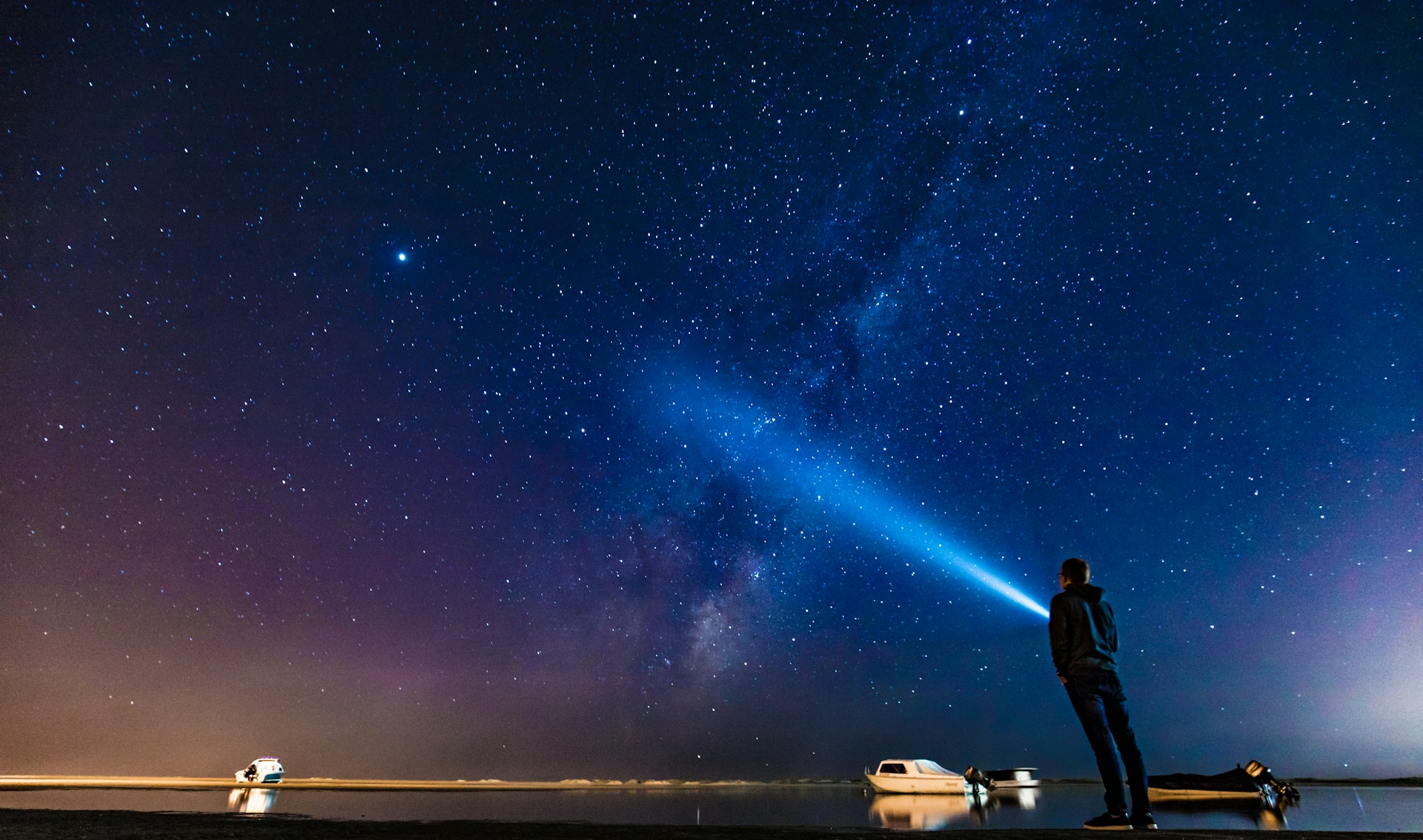
4. Use the Stars to Navigate at Night
When the sun goes down, the night sky can guide you—especially if you know what to look for. In the Northern Hemisphere, the North Star (Polaris) is one of the most reliable indicators of direction.
To find it:
- Locate the Big Dipper constellation
- Follow the two outer stars of the “bowl” upward
- They point directly to the North Star
Once you find Polaris, you’ll know that direction is north. From there, you can determine east, west, and south.
This method has been used for centuries by travelers and explorers, and it remains one of the most dependable nighttime navigation techniques.
5. Track Your Movement to Avoid Walking in Circles
One of the biggest challenges in navigation without tools is maintaining a straight path. Without a reference point, people naturally drift in circles without realizing it.
To prevent this:
- Mark your path using rocks, sticks, or other visible indicators
- Break branches or leave small signs along your route
- Use natural features like ridgelines or rivers to guide your direction
If you notice that your markers are repeating, it’s a sign that you may be circling back on yourself.
Pro tip: Move slowly and deliberately. Rushing increases the chance of disorientation and mistakes.
Extra Tips to Improve Your Navigation Skills
To make these methods even more effective, keep these additional tips in mind:
- Stay aware of your surroundings: Notice patterns, terrain changes, and natural features
- Avoid traveling in poor visibility: Fog, heavy rain, or darkness can make navigation much harder
- Take breaks to reassess: Stop occasionally to confirm your direction
- Carry simple tools when possible: A compass or map can complement these techniques
Final Thoughts
Technology has made navigation easier than ever, but it has also made many people dependent on devices that can fail when you need them most. Learning how to navigate without GPS gives you confidence, independence, and a critical survival advantage.
The key is awareness. Pay attention to the sun, the land, and your surroundings. Use multiple methods together whenever possible, and don’t rely on just one technique.
In the end, navigation isn’t about having the latest tools—it’s about understanding the world around you and using it to your advantage.