
Field Notes
5 Unexpected Places to Find Food in the Wild

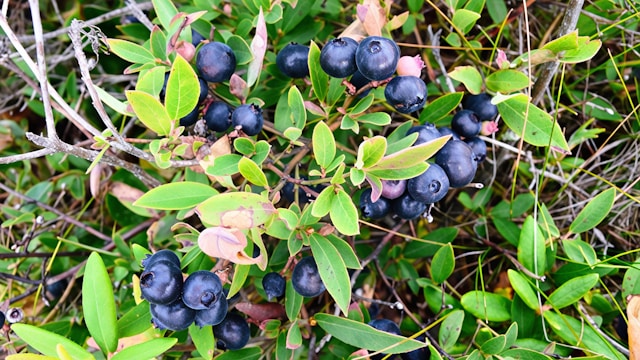
Food isn’t always obvious—but it’s often closer than you think. Knowing where to look can keep you going.
In a survival situation, food quickly becomes a top concern. While the human body can go longer without food than water, a steady source of calories helps maintain energy, focus, and morale. The challenge is that food in the wild isn’t always obvious. It doesn’t come packaged or clearly labeled—you have to know where to look.
The good news is that nature often provides more options than people expect. With a little awareness and the right approach, you can find food in places most people would overlook.
Here are five unexpected but reliable ways to find food in the wild.
1. Look for Edible Plants All Around You
One of the most overlooked food sources in the wild is plants. In many environments, edible plants are more abundant than animals and require less effort to gather.
Common options may include:
- Wild greens and leafy plants
- Berries (when in season)
- Roots and tubers
- Edible flowers and shoots
However, this is also where caution matters most. Some plants are highly toxic and can cause serious harm if consumed. It’s important to learn how to identify safe plants in your region before relying on them.
A good rule is to avoid anything you’re unsure about. In a survival situation, eating the wrong plant can be far more dangerous than going without food for a short time.
Why this works: Plants don’t run away, making them one of the easiest and most reliable food sources.
2. Search Near Water for a Higher Chance of Finding Food
If you’re unsure where to start, head toward water. Rivers, streams, lakes, and ponds are some of the most productive areas for finding food.
Near water, you may find:
- Fish and small aquatic animals
- Frogs or other amphibians
- Edible plants growing along the shoreline
- Insects attracted to moisture
Water sources attract life, which means more opportunities for food. Even if you don’t have fishing gear, you can sometimes catch small fish by hand in shallow areas or create simple traps.
Safety tip: Be careful around slippery rocks and fast-moving water. Avoid taking unnecessary risks.
3. Check Under Rocks and Logs for Hidden Protein
It might not be your first choice, but insects and small creatures are an excellent source of protein in survival situations. They’re often easy to find and require minimal effort to collect.
Look under:
- Rocks
- Fallen logs
- Leaves and debris
You may find insects like beetles, ants, grubs, or worms. While it may seem unusual, many of these are safe to eat when properly prepared.
Cooking them over a fire can improve both safety and taste. Avoid brightly colored insects or anything with a strong odor, as these can be signs of toxicity.
Why this works: Insects are abundant, easy to catch, and packed with nutrients.
4. Look for Nuts and Seeds for Long-Lasting Energy
Nuts and seeds are some of the most valuable food sources in the wild because they are calorie-dense and store well.
Depending on your environment, you might find:
- Acorns
- Walnuts
- Pine nuts
- Seeds from grasses or plants
These foods provide fats and energy that help sustain you over time. Some, like acorns, may need to be processed (such as soaking or cooking) to remove bitterness or natural compounds before eating.
Gathering and storing nuts and seeds can also give you a reserve of food instead of relying only on what you find each day.
Pro tip: Look on the ground beneath trees, especially during fall, when nuts are more abundant.
5. Watch Animal Behavior for Clues
Animals are often the best guides to finding food. By observing their behavior, you can learn where to look and what might be safe to eat.
For example:
- Birds often gather where berries or seeds are available
- Squirrels and rodents can lead you to nut sources
- Bees can point you toward flowering plants or even honey
You can also follow animal trails, which often lead to water or feeding areas.
However, be cautious. Just because an animal eats something doesn’t mean it’s safe for humans. Use observation as a guide, not a guarantee.
Extra Tips for Finding Food in the Wild
To improve your chances and stay safe, keep these tips in mind:
- Start with easy options: Plants and insects require less energy than hunting
- Avoid unfamiliar foods: If you’re not sure, don’t eat it
- Cook when possible: Heat can kill harmful bacteria and parasites
- Conserve energy: Don’t burn more calories searching than you gain from eating
- Think long-term: Look for sustainable sources, not just quick finds
Final Thoughts
Finding food in the wild isn’t about luck—it’s about awareness and knowing where to look. While food may not always be obvious, it’s often closer than you think if you pay attention to your surroundings.
The key is to stay cautious, use multiple sources, and avoid unnecessary risks. Your goal isn’t just to find food—it’s to find food that is safe and worth the effort.
Above all, remember this: never eat anything unless you are certain it’s safe. In survival situations, smart decisions matter more than quick ones.