
Field Notes
5 Ways to Stay Safe Outdoors at Night

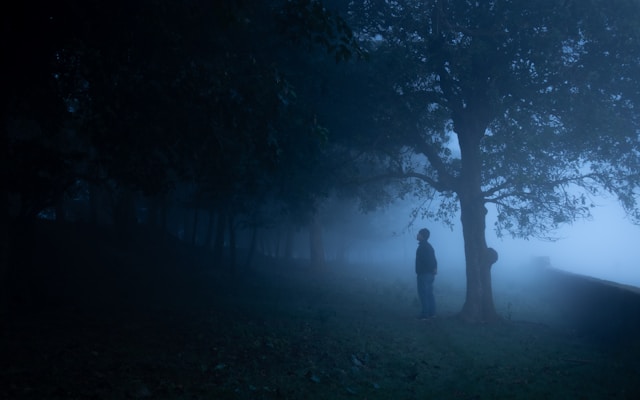
When the sun goes down, the outdoors becomes a very different environment. Visibility drops, temperatures change, and your ability to recognize danger is reduced. What feels familiar during the day can quickly become disorienting at night.
Whether you’re hiking, traveling, or unexpectedly outside after dark, knowing how to stay safe is essential. Night doesn’t have to be dangerous—but it does require a different level of awareness and caution.
Here are five smart ways to improve your outdoor night safety and avoid unnecessary risks.
1. Stay Visible Without Drawing the Wrong Attention
At night, being seen can be both helpful and risky. You want to avoid accidents while also staying aware of your surroundings.
To stay visible:
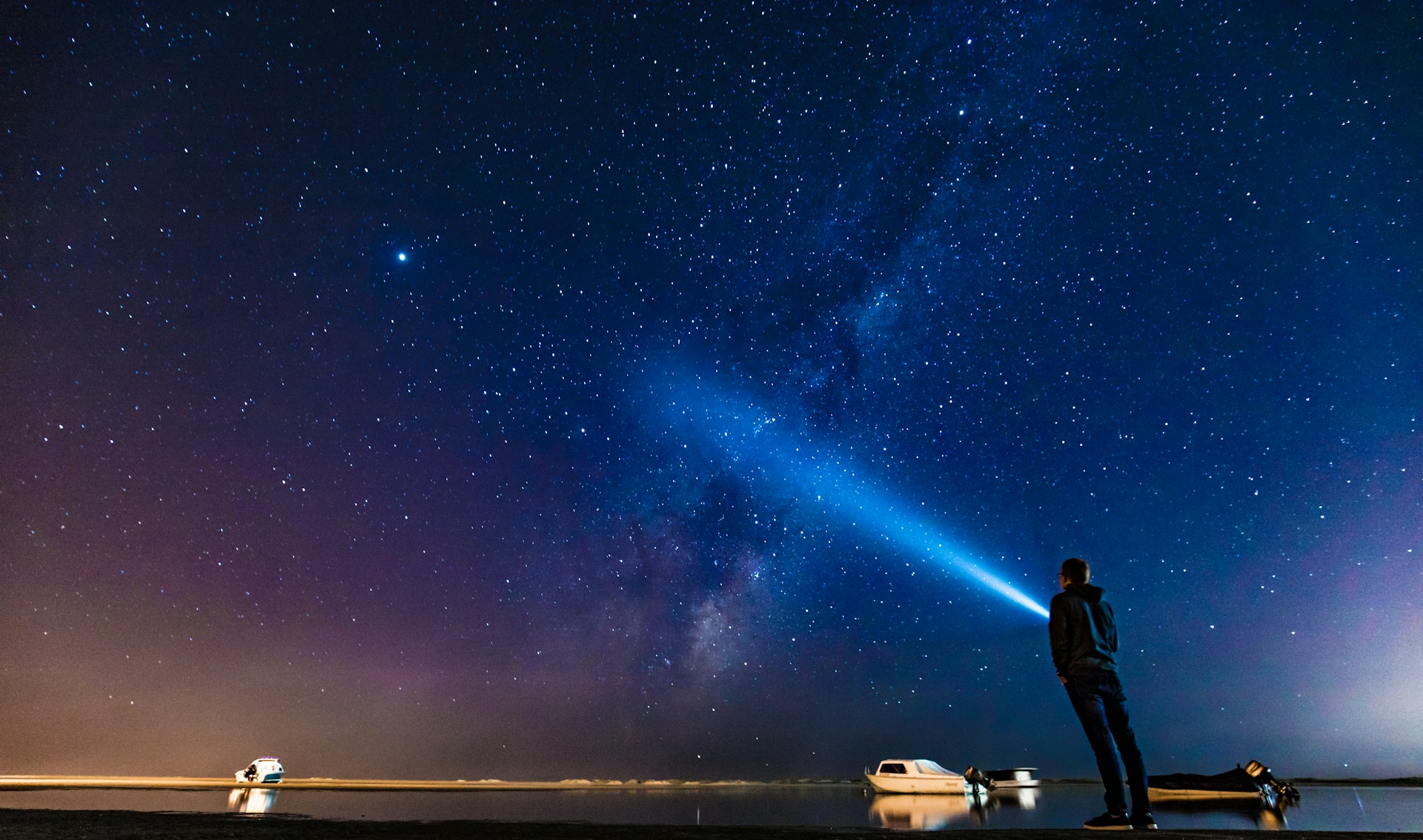
- Use a flashlight or headlamp when moving
- Wear light-colored or reflective clothing if available
- Position yourself where you can see clearly without being hidden
At the same time, avoid unnecessary attention in unfamiliar or unsafe areas. Use light strategically rather than constantly broadcasting your location.
Key idea: Balance visibility with awareness.
2. Slow Down and Move Carefully
Darkness reduces depth perception and increases the risk of injury. Uneven ground, obstacles, and sudden drops are harder to spot.
To stay safe:
- Walk slower than you normally would
- Scan the ground ahead before stepping
- Use a steady light source to guide your path
Rushing in low visibility is one of the fastest ways to get hurt.
Why it matters: A simple fall at night can turn into a serious problem if help isn’t nearby.
3. Stay Oriented and Avoid Getting Lost
It’s much easier to lose your sense of direction at night. Landmarks that are obvious during the day can disappear in darkness.
To stay oriented:
- Stick to known paths or trails whenever possible
- Use landmarks you can still identify
- Avoid wandering into unfamiliar areas
If you’re unsure of your direction, it’s often safer to stop and wait for better visibility rather than continue blindly.
Pro tip: Turn around occasionally to recognize your path from both directions.
4. Be Aware of Sounds and Movement Around You
At night, your hearing becomes one of your most important senses. Sounds can travel farther, and small noises may indicate movement nearby.
Pay attention to:
- Footsteps or rustling
- Changes in wind or environment
- Unusual or repeated sounds
Staying alert helps you react early rather than being caught off guard.
Important: Don’t ignore your instincts—if something feels off, take it seriously.
5. Choose Safe Areas to Rest or Stop
If you need to stop moving, your location matters. Avoid areas that increase risk or limit your awareness.
Look for spots that are:
- Slightly elevated for better visibility
- Away from water or steep drops
- Clear of dense obstacles
Having a safe place to rest allows you to regain focus and conserve energy without exposing yourself to unnecessary danger.
Extra Tips for Outdoor Night Safety
- Keep your hands free when possible
- Carry a backup light source
- Avoid traveling alone if you can
- Stay warm—temperatures often drop quickly at night
Preparation and awareness go a long way after dark.
Final Thoughts
Night doesn’t create danger—but it makes it harder to see and respond to it. That’s why awareness becomes your most important tool.
By slowing down, staying oriented, and paying attention to your surroundings, you can reduce risks and move more confidently in low-light conditions.
Remember: when visibility disappears, awareness becomes your advantage.