
Field Notes
5 Ways to Create Light When the Power Goes Out

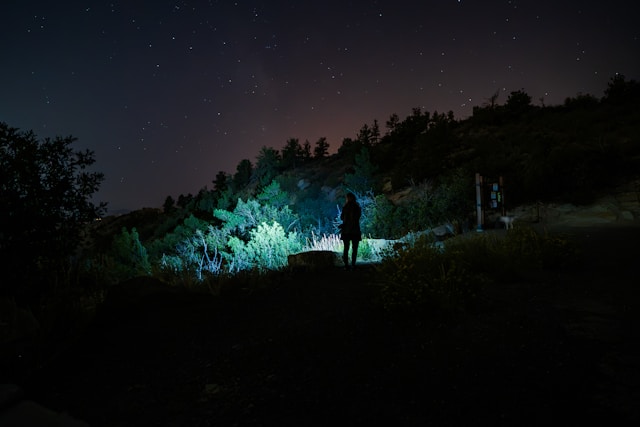
When the power goes out, darkness isn’t just inconvenient—it can quickly become a safety issue. Without light, simple tasks become harder, movement becomes risky, and your sense of control can start to slip.
Having reliable lighting during an outage helps you stay organized, avoid accidents, and maintain a sense of calm. The good news is, you don’t need expensive equipment to keep your home lit. With a little preparation and creativity, you can create light quickly and safely.
Here are five practical ways to generate light when the power goes out.
1. Use Flashlights as Your Primary Light Source
Flashlights are one of the most reliable and safest options during a power outage. They provide focused light, are easy to carry, and don’t create fire hazards.
Keep flashlights in key areas of your home, such as:
- Bedrooms
- Kitchen
- Emergency supply kits
Make sure you also have extra batteries stored nearby.
Pro tip: LED flashlights last longer and use less battery power than older models.
2. Use Battery-Powered Lanterns for Room Lighting
While flashlights are great for movement, lanterns are better for lighting up an entire room. They provide wider coverage and make it easier to perform everyday tasks.
Battery-powered or rechargeable lanterns are especially useful because they:
- Distribute light evenly
- Reduce eye strain
- Last longer than many flashlights
Place lanterns in central areas where you spend the most time.
3. Use Candles Carefully as a Backup Option
Candles are a common backup light source, but they must be used with caution. While they provide steady light, they also introduce a fire risk if not handled properly.
If you use candles:
- Place them on stable, heat-resistant surfaces
- Keep them away from curtains or flammable materials
- Never leave them unattended
Safer option: Use jar candles or enclosed candles to reduce risk.
4. Turn Everyday Items Into Light Sources
In an emergency, you can use simple household items to improve lighting.
For example:
- Place a flashlight or headlamp inside a water bottle to create a glowing lantern effect
- Use mirrors or reflective surfaces to spread light further
- Position lights near walls to reflect and amplify brightness
These small adjustments can make a single light source much more effective.
5. Use Your Phone Strategically
Most smartphones have built-in flashlights that can provide quick, convenient light. However, they should be used carefully to conserve battery life.
Tips for using your phone:
- Use it only when needed
- Lower screen brightness
- Turn on battery-saving mode
If possible, keep a portable charger or power bank ready as part of your emergency setup.
Extra Tips for Emergency Lighting
- Keep lighting tools in easy-to-reach locations
- Test batteries regularly
- Avoid relying on just one light source
- Use multiple small lights instead of one large one for better coverage
Planning ahead can make a big difference when the lights go out.
Final Thoughts
Light is more than just convenience—it’s safety, visibility, and peace of mind. When you can see clearly, you can think clearly and move safely.
By combining simple tools like flashlights, lanterns, and creative solutions, you can keep your space functional even during extended outages.
Because in an emergency, even a small amount of light can make a big difference.