
Field Notes
5 Simple Ways to Tell Safe Plants From Dangerous Ones

In a survival situation, plants can be a valuable source of food—but they can also be extremely dangerous. One wrong choice can lead to illness, poisoning, or worse.
The challenge is that many toxic plants look similar to edible ones. Without proper knowledge, it’s easy to make a mistake.
While plant identification takes practice, there are some simple guidelines that can help you reduce risk and make safer choices.
Here are five practical ways to tell safer plants from potentially dangerous ones.
1. Avoid Plants With Milky or Discolored Sap
One common warning sign is sap that appears milky, sticky, or oddly colored. Many toxic plants produce this type of sap as a defense mechanism.
If you break a leaf or stem and notice:
- White or milky liquid
- Unusual discoloration
It’s best to avoid that plant.
Why it matters: This is often a sign of chemical compounds that can be harmful if ingested.
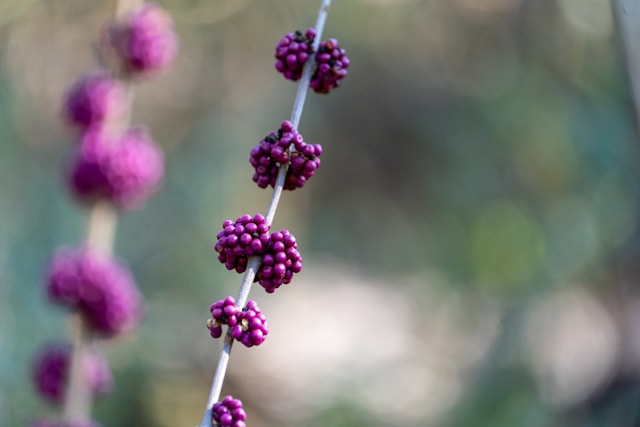
2. Be Cautious of Brightly Colored Berries
Bright, vibrant berries may look appealing—but many of them are toxic.
While not all colorful berries are dangerous, it’s safer to avoid:
- Bright red
- Pure white
- Unusual or glossy berries
Important: Never assume a berry is safe just because it looks like something you recognize.
3. Avoid Plants With a Bitter or Soapy Taste
Taste can sometimes be an indicator of toxicity. Many harmful plants have a strong, bitter, or unpleasant flavor.
If you test a small amount and notice:
- Bitterness
- A burning sensation
- A soapy or chemical taste
Spit it out immediately and do not consume it.
Note: Always use extreme caution when testing plants.
4. Watch for Irritation on Skin Contact
Before eating any unfamiliar plant, check how your skin reacts.
Rub a small piece on your skin and wait a few minutes. If you notice:
- Redness
- Itching
- Burning
That plant may be unsafe to eat.
Why this works: Some toxic plants cause irritation on contact, which can serve as an early warning sign.
5. Observe Animal Behavior—But Don’t Rely on It Completely
Animals often eat plants that are safe for them, which can provide clues. However, this method is not foolproof.
Some animals can safely eat plants that are toxic to humans.
Use this as a general guide:
- If many animals eat a plant, it may be safer
- But never rely on this alone to decide
Key point: Animal behavior is helpful—but not definitive.
Extra Tips for Avoiding Dangerous Plants
- Avoid plants with strong chemical smells
- Stay away from plants with fine hairs or spines
- Don’t eat mushrooms unless you are absolutely certain
- Stick to plants you can positively identify
When it comes to wild food, caution is always the safer choice.
Final Thoughts
Plants can be a valuable resource—but they require knowledge and careful judgment. In survival situations, the risk of eating something unsafe often outweighs the benefit of taking chances.
The safest approach is simple: if you’re not sure, don’t eat it.
Learning even a few basic identification rules can help you avoid serious danger and make smarter decisions in the wild.
Because when it comes to survival, one smart choice can make all the difference.