
Field Notes
5 Easy Ways to Purify Water at Home During a Crisis

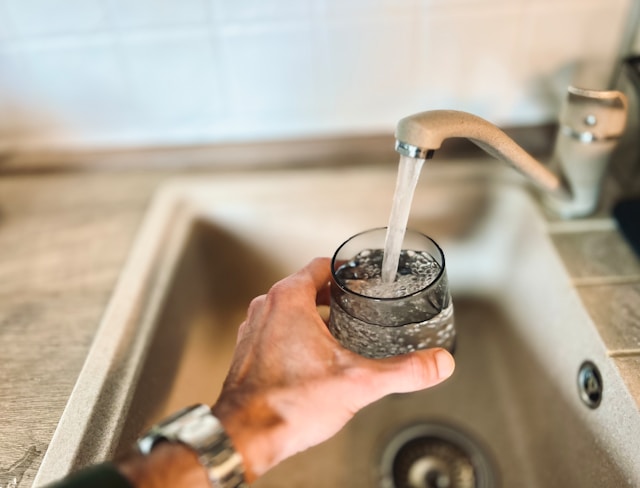
Tap water isn’t always safe when disaster strikes. Here’s how to make sure what you drink won’t make you sick.
When an emergency disrupts normal services, clean drinking water can quickly become one of your biggest concerns. Many people assume that clear water is safe, but that’s not always true. Harmful bacteria, viruses, and parasites can exist in water that looks perfectly fine, and drinking contaminated water can lead to serious illness.
Whether you’re dealing with a power outage, natural disaster, or boil-water advisory, knowing how to purify water at home is a critical skill. The good news is that you don’t need complicated equipment to make water safer to drink.
Here are five simple, effective methods to purify water during a crisis.
1. Boil Water to Kill Harmful Organisms
Boiling is one of the most reliable ways to purify water. Heat destroys bacteria, viruses, and parasites that can make you sick.
To do it properly:
- Bring water to a rolling boil (large bubbles consistently rising)
- Keep it boiling for at least one full minute
- At higher elevations, boil for three minutes to be safe
Once boiled, let the water cool naturally before drinking. If it tastes flat, you can improve the flavor by pouring it between two containers to reintroduce oxygen.
Why this works: High temperatures kill most disease-causing organisms, making boiling one of the safest purification methods available.
2. Use Water Filters for Quick and Convenient Purification
Water filters are a fast and effective option, especially if you need to purify water regularly. Portable filters and home filtration systems can remove many contaminants, including bacteria and debris.
When choosing a filter, look for one that:
- Removes bacteria and protozoa
- Has a fine filtration level (measured in microns)
- Is designed for emergency or outdoor use
Keep in mind that not all filters remove viruses, so combining filtration with another method—like boiling—can offer extra protection.
Pro tip: Always follow the manufacturer’s instructions to ensure the filter works properly.
3. Disinfect Water Using Household Bleach (Carefully)
In emergency situations, unscented household bleach can be used to disinfect water. This method is especially useful when boiling isn’t possible.
Here’s how to do it safely:
- Use plain, unscented bleach (no added cleaners or fragrances)
- Add about 8 drops per gallon of water (or 2 drops per quart)
- Stir well and let it sit for at least 30 minutes
The water should have a slight chlorine smell. If it doesn’t, repeat the process and wait another 15 minutes.
Important: Using too much bleach can be harmful, so measure carefully.
4. Use Water Purification Tablets for Convenience
Water purification tablets are small, lightweight, and easy to store, making them a great addition to any emergency kit. These tablets typically contain iodine or chlorine and are designed to kill harmful microorganisms.
To use them:
- Follow the instructions on the package
- Drop the tablet into the recommended amount of water
- Wait the specified time (usually 30 minutes to a few hours)
While effective, some tablets can leave a taste in the water. This can often be improved by letting the water sit uncovered for a while after treatment.
Why this works: Tablets are pre-measured, making them one of the simplest and most reliable purification options during emergencies.
5. Use Solar Disinfection (SODIS) When Other Options Aren’t Available
If you don’t have access to boiling, filters, or chemicals, sunlight can be used as a last-resort method to help disinfect water.
This process, known as solar disinfection, works by using UV rays from the sun to kill bacteria.
Here’s how to do it:
- Fill a clear plastic bottle with water
- Place it in direct sunlight for at least 6 hours (or longer if cloudy)
- Make sure the bottle is clean and not heavily scratched
This method works best with relatively clear water, as cloudy water can block sunlight from reaching harmful organisms.
Note: While helpful in certain situations, solar disinfection is less reliable than boiling or chemical treatment.
Extra Tips for Safer Drinking Water
To improve your results and reduce risk, keep these tips in mind:
- Pre-filter cloudy water: Use a cloth or coffee filter to remove dirt and debris before purification
- Store purified water safely: Use clean, sealed containers to prevent recontamination
- Label treated water: Especially if you’re using multiple methods
- Have multiple options ready: Don’t rely on just one purification method
Final Thoughts
Access to safe drinking water is something many people take for granted—until it’s suddenly gone. In a crisis, having even basic knowledge of water purification can protect your health and give you peace of mind.
Each method has its strengths, and the best approach is often to combine techniques when possible. For example, filtering water first and then boiling it provides an extra layer of safety.
The bottom line is simple: never assume water is safe just because it looks clean. Taking a few extra steps to purify it can prevent serious illness and keep you and your family protected.
When it comes to survival, clean water isn’t a luxury—it’s a necessity.