
Field Notes
5 Emergency Signals That Could Get You Rescued Faster


You can survive for days—but getting found quickly is what really matters. These signals are proven to get attention.
In any survival situation, your goal isn’t just to stay alive—it’s to be found. You can have food, water, and shelter, but if rescuers can’t locate you, your situation can quickly become more dangerous. The faster you attract attention, the better your chances of getting out safely.
The problem is, many people rely on shouting or hoping someone stumbles across them. That approach wastes energy and rarely works over long distances. Instead, you need to use smart, visible, and effective signaling techniques that stand out in your environment.
Here are five proven emergency signaling methods that can dramatically improve your chances of rescue.
1. Use a Mirror or Reflective Surface to Catch Attention
One of the most powerful signaling tools you can use is something reflective. A small mirror, a piece of metal, or even a phone screen can reflect sunlight over long distances—sometimes miles.
To use it effectively, angle the reflection toward aircraft, distant hills, or any area where people might be. Move the reflection slowly back and forth to create a flashing effect, which is far more noticeable than a steady beam.
If you don’t have a mirror, improvise. Shiny objects like cans, foil wrappers, or even polished surfaces can work in a pinch. This method is especially useful during the day and in open areas.
Why it works: Movement and flashes naturally draw the human eye, making this one of the most effective daytime signals.
2. Create Smoke Signals That Stand Out
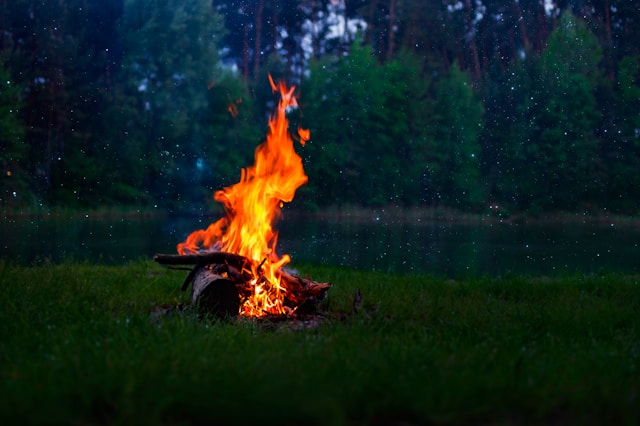
Fire is already a valuable survival tool, but it can also help you get noticed. By adding green leaves, damp grass, or other fresh vegetation to a fire, you can create thick, white smoke that rises into the air.
The key is contrast. In a forest, white smoke stands out against dark trees. In dry or desert environments, darker smoke may be more visible.
If possible, create multiple smoke columns in a line or triangle pattern. This signals distress more clearly than a single fire and increases visibility from a distance.
Important tip: Always build your fire in a safe, controlled area to avoid starting a wildfire.
3. Use Bright Colors to Stand Out From Your Surroundings
One of the simplest ways to signal for help is to make yourself—and your location—easy to see. Bright clothing, tarps, backpacks, or even pieces of fabric can be spread out in open areas to catch attention.
Lay them in large, unnatural patterns so they don’t blend into the environment. Straight lines, crosses, or geometric shapes are more noticeable than random placement.
If you’re in a snowy or rocky area, contrast becomes even more important. Dark items stand out in snow, while bright colors work well in forests or grassy areas.
Why this matters: Rescue teams are trained to look for things that don’t belong in the natural landscape.
4. Make Noise That Travels Farther Than Your Voice
Shouting for help might seem like the obvious choice, but it quickly drains your energy and doesn’t carry very far. Instead, use tools that amplify sound.
A whistle is one of the best options. It’s lightweight, requires little effort, and can be heard much farther away than your voice. If you don’t have one, you can improvise by banging rocks together, hitting metal objects, or using anything that creates a sharp, repetitive noise.
Use a pattern—such as three short bursts—to signal distress. This is widely recognized as a universal call for help.
Pro tip: Save your energy by signaling at regular intervals instead of constantly making noise.
5. Build Ground Signals That Can Be Seen From Above
If search teams are using helicopters or planes, ground signals can be extremely effective. Use rocks, logs, branches, or any available materials to create large symbols on the ground.
The most common signal is “SOS,” but even large arrows pointing to your location can help guide rescuers. Make sure your symbols are big enough to be seen from the air—at least several feet tall if possible.
Choose an open area like a clearing, beach, or field where your signal won’t be blocked by trees or terrain.
Why it works: Aerial search teams scan wide areas quickly, and large ground signals are one of the easiest things for them to spot.
Final Thoughts
When it comes to survival, being seen and heard is just as important as finding food or building shelter. The sooner you attract attention, the sooner your situation can improve.
Focus on visibility, contrast, and repetition. Use multiple signaling methods at once if possible—combine smoke, sound, and visual markers to increase your chances of being noticed.
Above all, stay consistent. Rescue efforts can take time, and the more you make yourself stand out, the better your odds of getting found quickly and safely.