

Field Notes
Food Skills That Matter When Power Is Unreliable

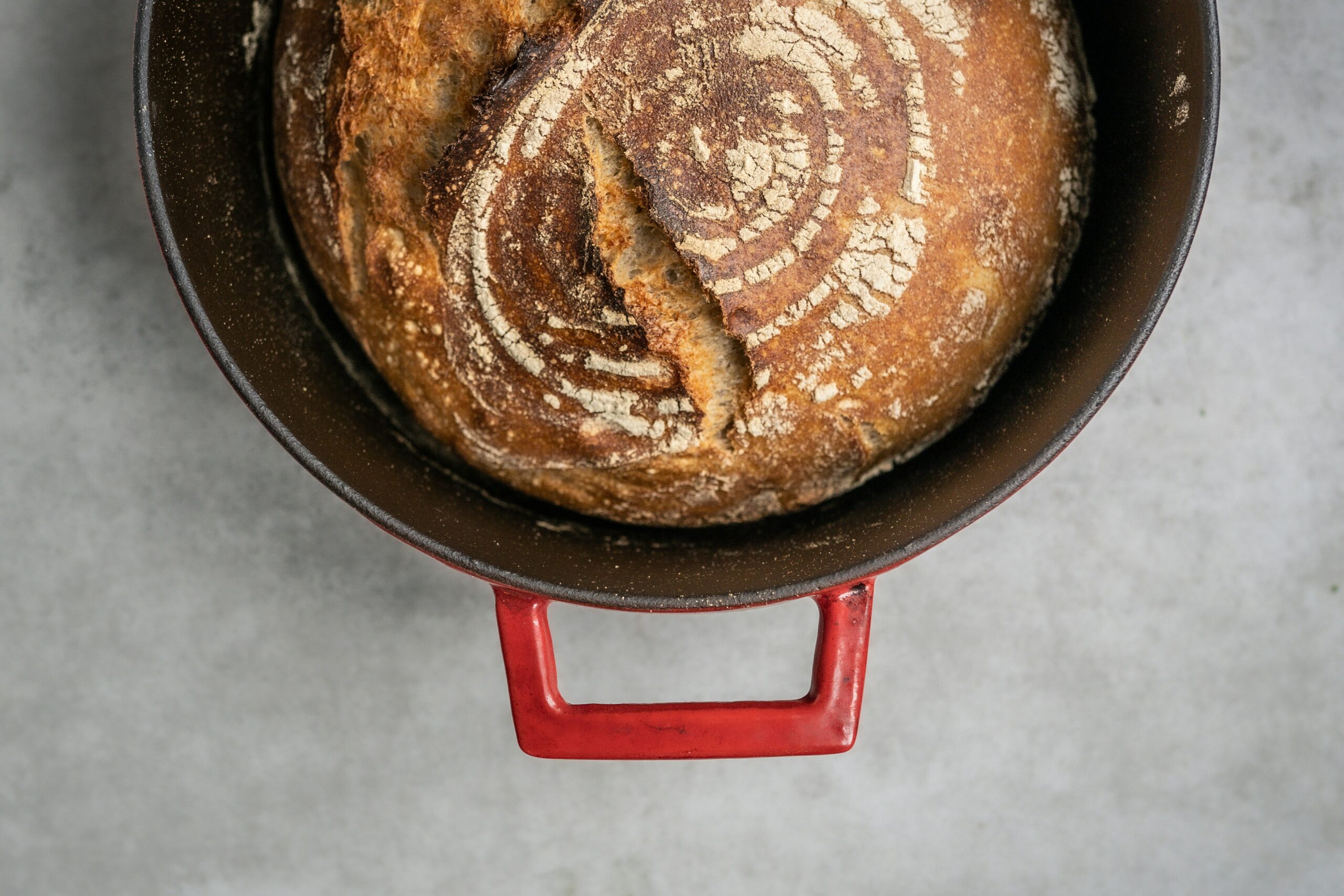
When the power is out and the stove is cold, the ability to bake over fire can turn a handful of basic ingredients into a real meal.
When power is out and modern kitchens go quiet, the ability to cook with fire becomes more than a novelty—it becomes a necessity. Baking, in particular, seems impossible without an oven, yet for generations people relied on simple tools and heat control to make bread long before electricity existed. With a Dutch oven or a reflected heat setup, you can bake reliable, filling food even in emergency conditions.
A cast-iron Dutch oven is one of the most effective tools for off-grid baking because it creates an oven-like environment using nothing more than coals. Its thick walls absorb and distribute heat evenly, which is critical when you’re working with an open fire. For best results, baking should rely on indirect heat rather than open flames. Placing the Dutch oven on a bed of hot coals and adding coals to the lid allows heat to surround the dough from all sides, mimicking a conventional oven.
Heat management matters more than the recipe itself. Too much heat underneath can burn the bottom before the bread cooks through, while excessive heat on top can harden the crust too quickly. A common approach is to use slightly more heat on the lid than beneath the pot and to rotate the oven occasionally. This prevents hot spots and encourages even baking without constant monitoring.
When a Dutch oven isn’t available, reflected heat offers a practical alternative. By positioning a reflective surface—such as a clean metal sheet, shovel, or foil-backed board—behind a fire, radiant heat can be directed toward food placed on a skillet or stone nearby. This method works especially well for biscuits and flatbreads, which cook quickly and don’t require precise temperatures.
In emergency situations, simple recipes are your best option. Quick breads and biscuits rely on basic ingredients and chemical leavening rather than yeast, eliminating long rise times and temperature sensitivity. These foods provide fast calories and help stretch stored supplies while keeping preparation manageable under stress.
Moisture control also plays a key role. Keeping lids closed traps steam, allowing bread to rise and preventing it from drying out. Opening the pot too often releases heat and slows cooking, so patience pays off. With experience, visual cues and light tapping can indicate doneness without constant checking.
Emergency baking is a practical skill that rewards familiarity and practice. Understanding how heat behaves around a fire reduces wasted ingredients and builds confidence when resources are limited. In a Food & Water emergency, being able to bake fresh bread over open flames doesn’t just provide nourishment—it restores a sense of normalcy when it’s needed most.
One thought on “Food Skills That Matter When Power Is Unreliable”
Comments are closed.
A really good blog and me back again.