

Field Notes
Eat Eggs? Read This Now


While eggs are widely consumed as a dense source of protein and essential nutrients like choline, individuals often limit or avoid them for specific health reasons:
Cardiovascular & Cholesterol Impact
- High Dietary Cholesterol: A single large egg contains about 186 mg of cholesterol—all located in the yolk—which exceeds half of the formerly recommended daily limit.
- LDL Elevation: In hyper-responders (people sensitive to dietary cholesterol), regular intake can raise low-density lipoprotein (LDL) cholesterol, often referred to as “bad” cholesterol.
- Cardiovascular Risk: Certain large observational studies associate high egg consumption (especially more than one per day) with an increased risk of heart disease, particularly in individuals with type 2 diabetes or metabolic syndrome.
Saturated Fat & Inflammatory Load
- Saturated Fat Intake: Each egg yolk delivers approximately 1.6 grams of saturated fat. Diets high in saturated fat can promote systemic inflammation and elevate overall blood lipid markers.
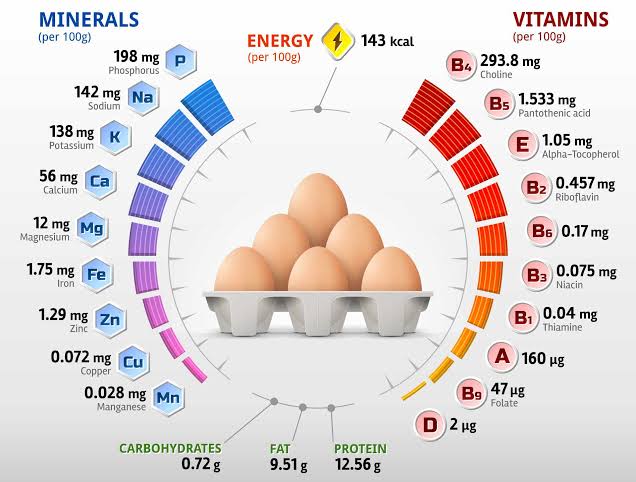
- Choline & TMAO Conversion: Eggs are rich in choline. Soil and gut bacteria break down excess choline into trimethylamine (TMA), which the liver converts into trimethylamine N-oxide (TMAO)—a compound linked in clinical studies to arterial plaque buildup and cardiovascular events.
Allergenic Potential & Digestive Distress
- Common Allergen: Egg proteins (ovalbumin and ovomucoid) are among the eight most common food allergens globally, triggering reactions ranging from hives to severe anaphylaxis.
- Non-Allergic Sensitivities: Many individuals experience non-allergic intolerances, leading to symptoms like bloating, abdominal cramps, gas, nausea, or eczema flare-ups after consuming eggs.
Risk of Foodborne Illness
- Salmonella Exposure: Raw or undercooked eggs carry a risk of Salmonella enteritidis contamination, which can cause acute gastroenteritis.
- Vulnerable Populations: Pregnant women, young children, older adults, and individuals with compromised immune systems face heightened risks of severe complications from egg-borne bacterial infections.
Dietary Toxins & Contaminants
- Environmental Accumulation: Farmed poultry can accumulate environmental pollutants (such as heavy metals, dioxins, or microplastics present in feed or soil) into their eggs over time, depending on feed quality and housing conditions.