

Field Notes
The Hidden Risk in Food Storage Most People Miss

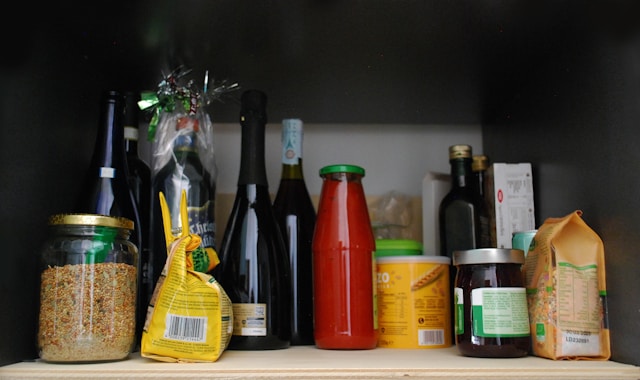
Most people think about how much food they store. Fewer think about how that food smells. In a long-term emergency or even a short disruption, odor can be the difference between staying unnoticed and attracting pests—or unwanted attention—from far away. Food that gives off strong scents can draw insects, rodents, and even people who are desperate or curious. Smart storage isn’t just about quantity. It’s about discretion.
When food is stored improperly, odors slowly leak into the surrounding space. Rodents can detect smells through walls and containers that seem airtight to humans. Insects are even more sensitive. Over time, a small scent trail can turn into a serious problem, especially if access to cleaning supplies, traps, or professional help is limited. Low-odor storage reduces risk before it ever becomes visible.
The first step is choosing the right containers. Thin plastic bags and cardboard boxes do little to contain scent. Instead, use thick, airtight containers made from food-grade plastic, glass, or metal. Mylar bags paired with oxygen absorbers are especially effective. Once sealed, place those bags inside a second hard container such as a bucket with a gasket lid. This layered approach blocks odor escape and adds protection from chewing pests.
Dry foods should be stored completely dry before sealing. Moisture increases odor and encourages mold, which releases strong smells over time. Rice, beans, pasta, and flour are ideal for low-odor storage when kept dry and sealed properly. Avoid mixing different foods in the same container, as combined scents become stronger and harder to control.
Canned goods are naturally low-odor when unopened, but they still benefit from smart placement. Store them away from heat sources, which can cause metal to warm and release faint smells over time. Wipe cans clean before storage to remove food residue that pests can detect. Even a small spill on the outside of a can can attract insects.
Strong-smelling foods like spices, coffee, pet food, and powdered drink mixes require extra care. Double-bag these items and store them in tightly sealed containers. If possible, keep them in a separate area from staple foods so any scent that escapes does not compromise your entire supply.
Location matters just as much as packaging. Store food in cool, dark places where air does not circulate heavily. Avoid open shelving in garages or basements where pests travel. Elevated storage reduces access for rodents, and keeping food away from entry points like vents or doors limits scent spread.
Low-odor food storage is about thinking ahead. When food stays hidden from pests and unnoticed by others, it lasts longer and stays safer. In uncertain times, quiet preparation often works better than visible abundance—and smell is one of the easiest things to control.