

Field Notes
The Water Threat Beneath Your Street You Can’t Afford to Ignore

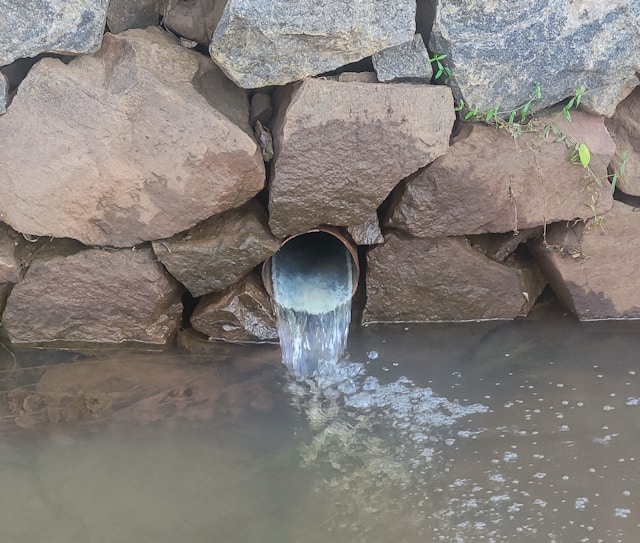
You turn on the tap expecting clean, safe water—but what if the pipe beneath your street failed overnight?
Most water contamination doesn’t begin at the faucet. It starts quietly underground, where aging infrastructure and sudden water main breaks can turn a routine glass of water into a hidden health risk.
Across many towns and cities, water systems are far older than most residents realize. Some pipes were installed before World War II and have exceeded their intended lifespan by decades. Over time, corrosion, ground movement, extreme temperatures, and repeated pressure changes weaken these pipes. When one finally fails, the danger goes beyond interrupted service. A broken main creates a direct pathway for contamination at the moment the system is most vulnerable.
Key risks linked to water main breaks include:
- Sudden loss of pressure, allowing contaminated groundwater to be drawn into clean water lines
- Bacterial intrusion, including harmful microbes from nearby soil or leaking sewer systems
- Chemical exposure from fuel residue, pesticides, or industrial pollutants in surrounding ground
- Sediment release, pushing rust, dirt, and metal particles directly into household taps
One of the most serious threats is backflow. When a pipe ruptures, pressure inside the system can drop rapidly. This reversal can pull in surrounding water that may carry bacteria, parasites, or chemical contaminants. Even brief exposure can pose health risks, especially for older adults, young children, or anyone with a weakened immune system.
Emergency repairs introduce additional hazards. Construction activity can disturb soil and debris, increasing the chance that contaminants enter damaged pipes. Even when repairs are completed quickly, it takes time to flush and test the system. This is why boil-water advisories often follow major breaks, even when water appears clear.
Warning signs residents should never ignore include:
- Cloudy or discolored water
- Metallic, musty, or chemical odors
- Unusual drops in water pressure
- Gurgling or sputtering faucets
Many homes also face internal risks. Older plumbing can release built-up sediment or lead particles when pressure fluctuates, compounding the problem.
As water infrastructure continues to age, main breaks are becoming more frequent and less predictable. The threat is often invisible, but the consequences can be real.