

Field Notes
Winter Survival Guide: Staying Warm, Safe, and Prepared

When extreme winter cold sets in—whether brought on by severe blizzards, sub-zero wind chills, or long-term grid outages—staying safe requires planning ahead, dressing in layers, protecting your home, and knowing how to safely handle heating emergencies.
1. Preparing Home and Health Before the Freeze
Preventative care before cold weather arrives keeps your home insulated and prevents major plumbing disasters or health risks.
Protect Your Home’s Infrastructure
- Prevent Frozen Pipes: Insulate exposed pipes in unheated spaces (basements, crawlspaces, attics). During extreme freezes, let faucets drip slowly and open cabinet doors under sinks to let warm room air circulate around plumbing.
- Seal Drafts: Use weatherstripping, door snakes, or window insulation film to seal gaps around doors and windows. Drafty windows can account for up to 30% of a home’s heat loss.
- HVAC and Chimney Maintenance: Replace furnace filters, test carbon monoxide detectors on every level of the home, and have wood stoves or fireplaces inspected annually before use.
Holiday Sale
Up to 60% off
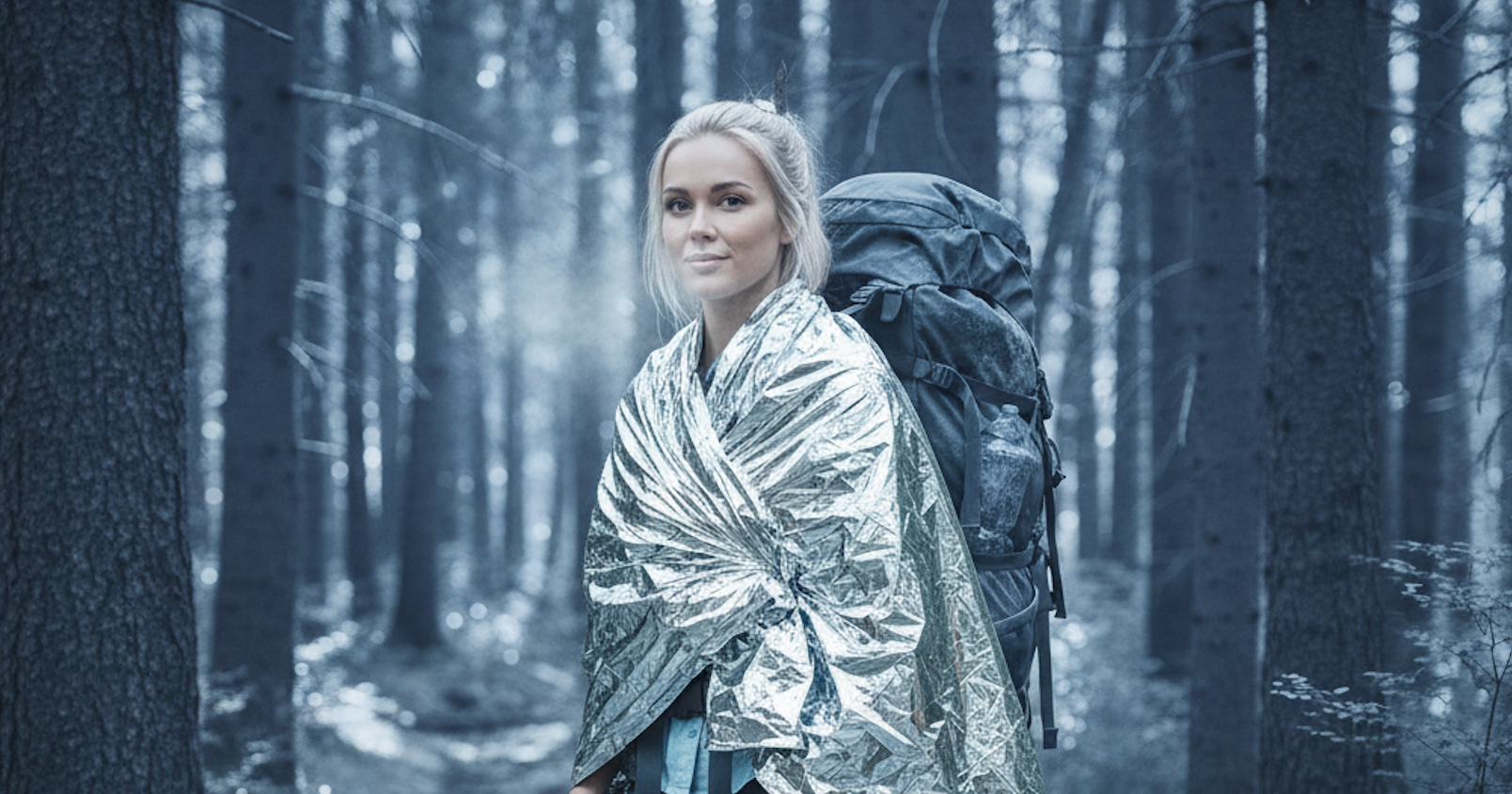
6 Pack – Elite Survival Blankets
Assemble Winter Supplies
- Non-Perishable Nutrition: Stock high-calorie foods that require minimal or no cooking (nuts, nut butters, canned soups, dried fruit, protein bars). Digesting dense foods actually helps generate internal body heat.
- Water Supplies: Store indoor drinking water before pipes freeze or main lines shut down (at least 1 gallon per person/pet per day for 3–7 days).
- Emergency Gear: Keep heavy-duty thermal blankets (or sub-zero sleeping bags), battery-powered or hand-crank radios, extra batteries, insulated gloves, and flashlights accessible.
2. Surviving Power Outages and Extreme Cold Indoors
If the power goes out during a winter freeze, your top priority is conserving body heat and preserving indoor ambient temperatures.
Build a “Warm Room”
- Consolidate Space: Pick a single, small room with few exterior walls or windows (like an interior bedroom or living room) and gather everyone there.
- Isolate the Area: Close doors to all unused rooms. Hang heavy blankets, quilts, or towels over doorways and window openings to trap radiant heat.
- Insulate the Floor: Lay down rugs, carpet remnants, or extra sleeping pads over cold hard floors.
Dress in Thermal Layers
Always dress in three core layers rather than one heavy garment:
- Base Layer (Moisture-Wicking): Synthetic materials (polyester, polypropylene) or merino wool to pull sweat away from your skin. Avoid cotton, as it retains moisture and rapidly chills body temperatures.
- Middle Layer (Insulation): Fleece, down, or wool to trap body heat inside micro-pockets.
- Outer Layer (Protection): A wind-resistant, water-repellent coat or jacket.
- Extremities: Wear insulated wool socks, thermal gloves/mittens, and a warm beanie—much of your body heat is lost when head and hands are uncovered.
3. Heating and Vehicle Safety
Improper heating methods during winter power outages pose significant dangers, primarily carbon monoxide poisoning and accidental fire risks.
Carbon Monoxide & Heating Hazards
- Never Use Unvented Appliances Indoors: Never burn charcoal, operate gas grills, run generators, or use outdoor camp stoves inside a house, garage, or enclosed patio.
- Generator Placement: Always operate fuel generators outside at least 20 feet away from doors, windows, and vents.
- Safe Auxiliary Heat: If using indoor-safe propane heaters (e.g., Mr. Heater Buddy), ensure proper ventilation and never leave them running unattended or while sleeping.
Winter Driving & Vehicle Emergency Kit
If you must travel during winter storms:
- Keep your gas tank at least half full at all times to prevent fuel line freeze-ups and ensure engine heating capacity if stranded.
- Keep a winter car emergency kit in the trunk: cat litter/sand (for tire traction), a collapsible snow shovel, windshield scraper, jumper cables, tow strap, extra blankets, and a high-brightness flashlight.
4. Recognizing Cold-Weather Illnesses
| Condition | Key Symptoms | Immediate Action |
| Frostbite | Numbness, waxy/pale skin, firm or hard skin, loss of feeling in fingers, toes, nose, or ears | Move to warmth. Do not rub affected areas. Immerse gently in warm (not hot) water. |
| Hypothermia | Uncontrollable shivering, slurred speech, confusion, exhaustion, slow pulse | Move to a warm room. Remove wet clothing. Warm the core of the body first (chest, neck, head) using dry blankets. |