


<!-- WP QUADS Content Ad Plugin v. 3.0.5 -->
<div class="quads-location quads-ad1" id="quads-ad1" style="float:none;margin:10px;">

</div>

<p class="wp-block-wd-paragraph wd-ad6d8a82">Managing Thermal Loading in High-Heat Wilderness Survival</p>


<p class="wp-block-wd-paragraph wd-826fb9c4">The Desert Fox Strategy: Managing Thermal Loading in High-Heat Survival</p>


<p class="wp-block-wd-paragraph wd-a3f78ca1">When most people think of wilderness survival, they picture building fires and avoiding hypothermia. But extreme heat is a silent, rapid killer. In high-temperature environments, your body isn&#8217;t just fighting the ambient air; it battles a thermodynamic compounding effect from solar radiation, ground heat conduction, and rapid metabolic dehydration.</p>


<p class="wp-block-wd-paragraph wd-0f19ba3c">To survive a high-heat grid-down or lost-in-the-wilderness scenario, you have to stop acting like an active explorer and start acting like a desert predator: hunt the shade, minimize movement, and optimize every ounce of moisture.</p>


<div class="wp-block-wd-divider wd-style-line wd-89b088d0"></div>


<p class="wp-block-wd-paragraph wd-44fa6383"><strong>The Thermodynamics of Body Temperature</strong></p>


<p class="wp-block-wd-paragraph wd-50e50f13">Your core body temperature needs to stay around 37°C (98.6°F). When the ambient temperature matches or exceeds this number, your primary method of cooling—radiation—fails. You become entirely dependent on evaporative cooling (sweat).</p>


<p class="wp-block-wd-paragraph wd-4f68f9c9">If you are hiking under direct sunlight in 40°C (104°F) heat, you can easily sweat out 1 to 1.5 liters of water per hour. Once you lose roughly 10% of your body weight in water, you enter severe dehydration, followed rapidly by heat exhaustion and fatal heat stroke.</p>


<p class="wp-block-wd-paragraph wd-ec40f402">The Golden Rule of Heat Survival: Never ration water; ration your sweat. If you have water, drink it. Keeping it in your canteen instead of your bloodstream accelerates heat illness.</p>


<div class="wp-block-wd-divider wd-style-line wd-ce68e29a"></div>


<p class="wp-block-wd-paragraph wd-333d8e9e"><strong>Shelter: Engineering the &#8220;Micro-Climate&#8221;</strong></p>


<p class="wp-block-wd-paragraph wd-40292510">If you are stranded during the peak of the day, your absolute priority is to stop solar radiation from hitting your skin. Do not attempt to hike to safety during peak sun hours (10:00 to 16:00). You need to construct a shelter that creates a buffer zone between you, the sun, and the radiating ground.</p>


<p class="wp-block-wd-paragraph wd-80c10e63"><strong>How to Build a Double-Layer Heat Shade</strong></p>


<p class="wp-block-wd-paragraph wd-0f9ef9c9">A single tarp or space blanket gets incredibly hot under direct sunlight and radiates that heat directly onto you. A double-layer shelter is drastically more effective.</p>


<p class="wp-block-wd-paragraph wd-d0821073">First, suspend a tarp, poncho, or space blanket (with the reflective side facing out) roughly three to four feet off the ground. This takes the direct hit from the sun. Next, suspend a second layer of material, such as a blanket or heavy clothing, roughly one to two feet below the first layer.</p>


<p class="wp-block-wd-paragraph wd-4fd05d4c">The dead air space between these two layers acts as an insulator, preventing the heat absorbed by the top layer from radiating down to you. Finally, remember to elevate yourself. The ground can be up to 15°C hotter than the air. Dig down a few inches to reach cooler subterranean soil, or lay down a thick layer of dry brush or a sleeping pad to insulate your body from the baking earth.</p>
<!-- WP QUADS Content Ad Plugin v. 3.0.5 -->
<div class="quads-location quads-ad2" id="quads-ad2" style="float:none;margin:10px;">

</div>


<div class="wp-block-wd-divider wd-style-line wd-722fb398"></div>


<p class="wp-block-wd-paragraph wd-2fd04889"><strong>Hydration and Water Management</strong></p>


<p class="wp-block-wd-paragraph wd-ac458d65">The old survival myth of drinking from a cactus is a fast track to severe vomiting, which dehydrates you faster due to the toxic alkalis present in most desert plants. Instead, maximize the water you have and prioritize finding legitimate sources.</p>


<p class="wp-block-wd-paragraph wd-12332437"><strong>The Sip vs. Gulp Myth</strong></p>


<p class="wp-block-wd-paragraph wd-1db1a9fb">Your body can only absorb about 1 liter of water per hour. Gulping massive amounts of water all at once when you are severely dehydrated can overload your stomach and induce vomiting. Drink small, frequent sips to maintain blood volume and maximize absorption efficiency.</p>


<p class="wp-block-wd-paragraph wd-d4a34c0c"><strong>Water Indicators in Arid Zones</strong></p>


<p class="wp-block-wd-paragraph wd-33d4564f">If you must hunt for water, look for specific biological markers. Deciduous trees, like cottonwoods, willows, and sycamores, require a high water table; digging a few feet down near their bases will often yield water. Additionally, follow animal trails. Convergence points of bird flights at dawn or dusk, or multiple intersecting game trails, usually lead downhill toward a water source.</p>


<div class="wp-block-wd-divider wd-style-line wd-69cdc1c2"></div>


<p class="wp-block-wd-paragraph wd-e98c2936"><strong>The Biological Conservation Protocol</strong></p>


<p class="wp-block-wd-paragraph wd-62475cee">To survive intense heat, you must change your behavior to minimize metabolic heat production. Divide your day into strict operational windows based on solar intensity.</p>


<p class="wp-block-wd-paragraph wd-08898315">During peak hours, from 10:00 to 16:00, practice absolute stillness. Situate yourself in your double-layer shade. Do not talk, do not forage, and do not pack gear. Keep your mouth closed to prevent moisture loss through respiration.</p>


<p class="wp-block-wd-paragraph wd-f08d358a">As the sun dips between 16:00 and 20:00, pivot to scouting and setup. Use this cooler window to safely gather firewood, reinforce your shelter, or scout the immediate area for water.</p>


<p class="wp-block-wd-paragraph wd-9e9f5260">If you must travel or hike out to find rescue, restrict your movement entirely to the night window between 20:00 and 06:00. The air is cool, navigation by stars is viable, and your sweat rate drops significantly.</p>


<p class="wp-block-wd-paragraph wd-7717525f"><strong>Keep Your Clothes On</strong></p>


<p class="wp-block-wd-paragraph wd-e2fce92b">It feels counterintuitive, but do not strip off your shirt. Lightweight, loose-fitting clothing creates a micro-climate over your skin. It traps a thin layer of sweat, slowing down its evaporation rate so it actually cools you longer, while simultaneously preventing severe sunburn. Sunburn damages your skin&#8217;s blood vessels and severely impairs your body&#8217;s ability to sweat and regulate temperature. Always keep your head and neck covered with a damp cloth or hat to protect your brain&#8217;s regulatory centers.
<!-- WP QUADS Content Ad Plugin v. 3.0.5 -->
<div class="quads-location quads-ad6" id="quads-ad6" style="float:none;margin:0px;">

</div>


Survive In The Heat Outdoors With The Desert Fox Strategy
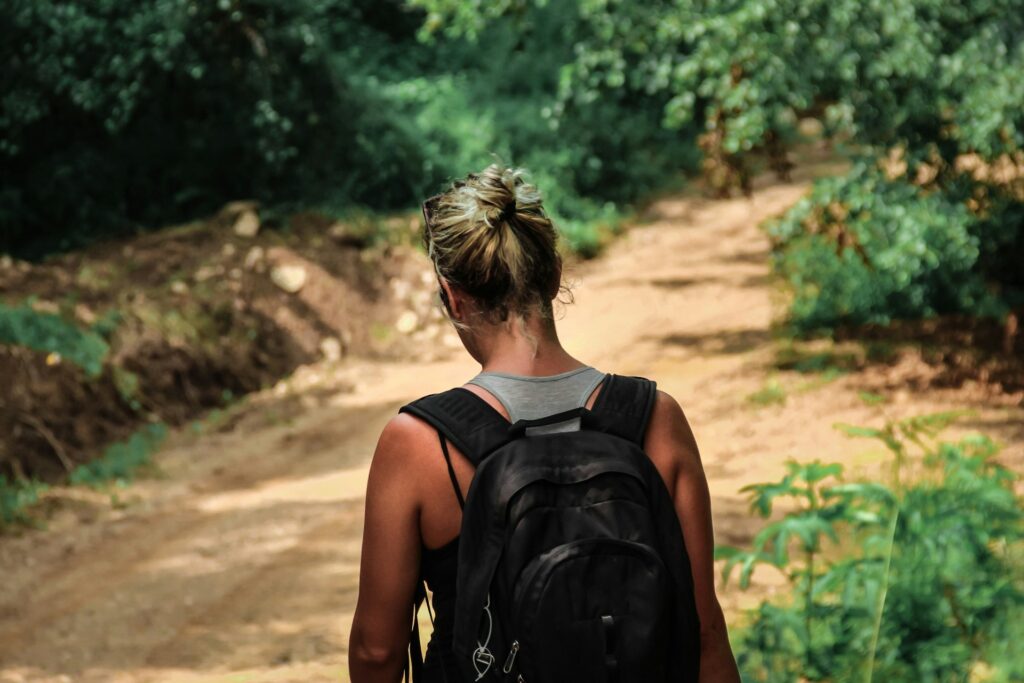
Photo by Valentin Salja on Unsplash