


<!-- WP QUADS Content Ad Plugin v. 3.0.5.1 -->
<div class="quads-location quads-ad1" id="quads-ad1" style="float:none;margin:10px;">

</div>

<h1 class="wp-block-wd-paragraph wd-c481c4f5"><strong>Weathering the Storm: Your Ultimate Guide to Hurricane Survival and Preparedness</strong></h1>


<p class="wp-block-wd-paragraph wd-de59792f">When a hurricane is tracking toward your coastline, hours can feel like minutes. Mother Nature packs an immense amount of power, but preparation is your greatest defense. Whether you’re a seasoned coastal resident or facing your very first tropical system, having a solid game plan can mean the difference between panic and peace of mind.</p>


<p class="wp-block-wd-paragraph wd-dc125455">Let’s break down everything you need to know to keep yourself, your loved ones, and your home safe before, during, and after the storm.</p>


<h2 class="wp-block-wd-title title wd-266a77d6">Phase 1: Before the Storm (Preparation is Everything)</h2>


<p class="wp-block-wd-paragraph wd-75c47de7">The best time to prepare for a hurricane is long before one ever forms on the radar. Once a watch or warning is issued, supplies fly off store shelves fast.</p>


<ul class="wp-block-list">
<li><strong>Build Your Emergency Kit:</strong> Stock up on non-perishable foods, a manual can opener, a first-aid kit, flashlights, extra batteries, and cash (ATMs won’t work if the power is out).</li>


<li><strong>Secure Water Supplies:</strong> Store at least <strong>one gallon of water per person per day</strong> for a minimum of three to five days—both for drinking and sanitation. Fill bathtubs and extra containers with water for flushing toilets if municipal systems fail.</li>


<li><strong>Protect Your Home:</strong> Install rated hurricane shutters or precut marine plywood for your windows. Clear your yard of patio furniture, potted plants, and debris that can turn into dangerous projectiles in high winds.</li>


<li><strong>Know Your Zone:</strong> Check your local emergency management agency website to see if you live in an evacuation zone. If local authorities tell you to evacuate, <strong>go</strong>. No house is worth risking your life over.</li>
</ul>


<h2 class="wp-block-wd-title title wd-c725ee56">Phase 2: During the Storm (Hunkering Down)</h2>


<p class="wp-block-wd-paragraph wd-201720ae">When the outer bands begin to hit and winds start howling, it’s time to put your plan into lockdown.</p>
<!-- WP QUADS Content Ad Plugin v. 3.0.5.1 -->
<div class="quads-location quads-ad2" id="quads-ad2" style="float:none;margin:10px;">

</div>


<ul class="wp-block-list">
<li><strong>Find Your Safe Space:</strong> Move into an interior room on the lowest floor of your home away from windows, glass doors, and skylights. A windowless bathroom, hallway, or walk-in closet is usually best.</li>


<li><strong>Stay Informed:</strong> Keep a battery-powered or hand-crank NOAA weather radio nearby to get up-to-the-minute local advisories.</li>


<li><strong>Beware the Eye:</strong> If the storm&#8217;s &#8220;eye&#8221; passes directly over your location, the winds and rain will suddenly stop and the skies may even clear. <strong>Do not go outside.</strong> This is just a temporary calm; the terrifying winds from the opposite direction will resume shortly.</li>


<li><strong>Conserve Power:</strong> Turn your refrigerator and freezer to their coldest settings <em>before</em> the power goes out, and keep the doors closed as much as possible to keep food fresh longer.</li>
</ul>


<h2 class="wp-block-wd-title title wd-5ea13283">Phase 3: After the Storm (The Recovery)</h2>


<p class="wp-block-wd-paragraph wd-55775273">The winds have died down, but the danger hasn&#8217;t completely passed. Post-storm hazards cause a significant portion of hurricane-related injuries.</p>


<ul class="wp-block-list">
<li><strong>Watch for Hazards:</strong> Avoid downed power lines, standing water (which may be electrically charged or contaminated with sewage and debris), and weakened tree limbs.</li>


<li><strong>Use Generators Safely:</strong> Never run a portable generator inside your home, garage, or enclosed patio. Keep it at least 20 feet away from doors and windows with the exhaust pointing away from living spaces to prevent deadly carbon monoxide poisoning.</li>


<li><strong>Check on Neighbors:</strong> Once it is safe to step outside, check in on elderly or vulnerable neighbors who might need assistance.</li>
</ul>


<p class="wp-block-wd-paragraph wd-1831d71b">Staying calm, following official local guidance, and having your supplies ready will help you navigate even the strongest storms safely.
<!-- WP QUADS Content Ad Plugin v. 3.0.5.1 -->
<div class="quads-location quads-ad6" id="quads-ad6" style="float:none;margin:0px;">

</div>


Hurricane Ready: Step-by-Step Survival Essentials You Can’t Ignore
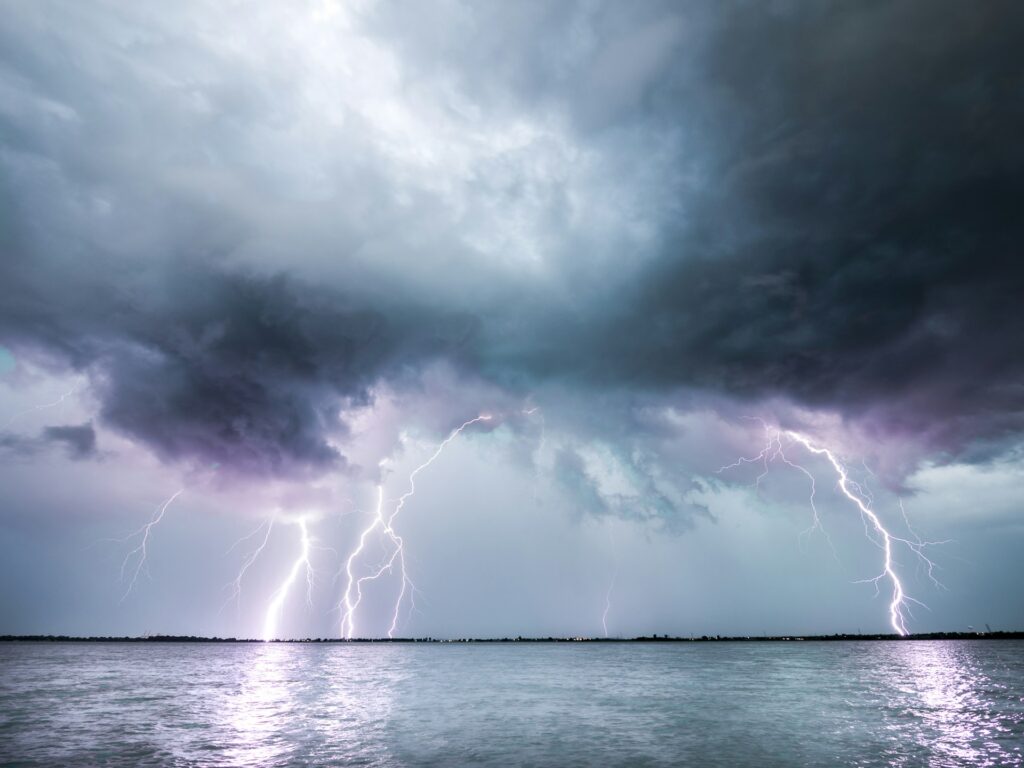
Photo by Raychel Sanner on Unsplash