


<!-- WP QUADS Content Ad Plugin v. 3.0.6 -->
<div class="quads-location quads-ad1" id="quads-ad1" style="float:none;margin:10px;">

</div>

<p class="wp-block-wd-paragraph wd-0c7ee3a4">A <strong>Mylar survival blanket</strong> often called a space blanket or thermal foil blanket—is one of the smallest, lightest, and most cost-effective pieces of emergency gear you can carry. Weighing only a couple of ounces and folding down to the size of a deck of cards, this thin metallic sheet can buy critical time when temperatures drop or an outdoor outing takes an unexpected turn.</p>


<p class="wp-block-wd-paragraph wd-a427ce4a">Understanding how Mylar works, where it excels, and where it falls short helps you use it safely in a real cold-weather emergency.</p>


<h2 class="wp-block-wd-title title wd-fbbf24fa">How Mylar Blankets Retain Body Heat</h2>


<p class="wp-block-wd-paragraph wd-824f2051">Your body loses heat in four main ways: <strong>radiation</strong>, <strong>convection</strong> (wind and air movement), <strong>conduction</strong> (direct contact with cold ground or surfaces), and <strong>evaporation</strong> (sweat and moisture).</p>


<p class="wp-block-wd-paragraph wd-fa946120">Mylar—a stretched polyethylene terephthalate (PET) film coated with a microscopic layer of vaporized aluminum—targets cold-weather heat loss in several practical ways:</p>


<ul class="wp-block-list">
<li><strong>Reflects radiant heat:</strong> The shiny metallic coating bounces a high percentage of infrared thermal radiation back toward your body rather than letting it escape into cold air.</li>


<li><strong>Blocks wind chill:</strong> A sealed or wrapped Mylar layer acts as a wind barrier, stopping gusts from stripping away the thin layer of warm air next to your skin.</li>


<li><strong>Resists rain and snow:</strong> Because the film is non-porous and waterproof, it helps keep precipitation off your clothing and gear.</li>


<li><strong>Improves visibility for rescue:</strong> The bright silver or gold finish catches sunlight and flashlight beams, making you easier for searchers to spot from the air or trail.</li>
</ul>


<h2 class="wp-block-wd-title title wd-9c2a00d6">When a Mylar Blanket Makes the Biggest Difference</h2>


<p class="wp-block-wd-paragraph wd-68d5c253">Mylar blankets are <strong>emergency stabilizers</strong>, not a complete replacement for a winter sleeping bag or insulated parka. They work best in situations such as:</p>
<!-- WP QUADS Content Ad Plugin v. 3.0.6 -->
<div class="quads-location quads-ad2" id="quads-ad2" style="float:none;margin:10px;">

</div>


<ol start="1" class="wp-block-list">
<li><strong>Sudden weather shifts on hikes or runs:</strong> If clouds roll in, temperatures plunge, or you get delayed past dusk, wrapping up slows heat loss while you move or wait for help.</li>


<li><strong>Vehicle breakdowns and roadside emergencies:</strong> Keeping one in your glove box or trunk provides a wind- and moisture-blocking layer if your car heater fails in winter.</li>


<li><strong>Treating cold stress or mild hypothermia:</strong> Paired with insulation from the ground and dry layers, reflecting body heat helps stabilize someone who is shivering or getting cold.</li>


<li><strong>Improvised shelters and signal aids:</strong> You can use Mylar as a reflective backing near a heat source, a ground or roof barrier in a quick debris shelter, or a visual signal panel.</li>
</ol>


<h2 class="wp-block-wd-title title wd-0a1233c7">Practical Tips for Using Mylar Safely</h2>


<p class="wp-block-wd-paragraph wd-738655cd">A thin foil sheet tears easily in brush or high wind and traps moisture if used carelessly. Keep these tips in mind:</p>


<ul class="wp-block-list">
<li><strong>Insulate from the ground first:</strong> Cold earth pulls heat away fast through conduction. Sit or lie on a foam pad, backpack, pine boughs, or dry leaves rather than bare frozen ground.</li>


<li><strong>Leave ventilation so sweat does not soak you:</strong> Trapped perspiration cools your body rapidly once activity stops. If you are moving, vent openings rather than sealing yourself tightly like a plastic bag.</li>


<li><strong>Secure edges against wind:</strong> Wind can whip a loose blanket around, tear the film, and pump cold air underneath. Tuck edges securely or weigh them down.</li>


<li><strong>Pair with dry layers:</strong> Mylar works best over existing clothing or fleece—not directly against wet skin after heavy sweating or rain.</li>
</ul>


<h2 class="wp-block-wd-title title wd-24b24fe4">Common Myths and Real Limitations</h2>


<p class="wp-block-wd-paragraph wd-9819bd48">Mylar blankets are valuable, but marketing claims often exaggerate what a single sheet can do in severe sub-zero conditions:</p>


<ul class="wp-block-list">
<li><strong>&#8220;Retains 90% of body heat&#8221; is a lab ideal:</strong> Real-world heat retention is much lower once you account for gaps around your neck and feet, wind, ground contact, and moisture.</li>


<li><strong>Minimal insulation value (R-value):</strong> By itself, a thin film offers very little loft to trap dead air compared to down, wool, or synthetic insulation.</li>


<li><strong>Noisy and fragile:</strong> Crinkling in the wind can be loud, and sharp twigs or rocks can puncture it quickly.</li>
</ul>


<h2 class="wp-block-wd-title title wd-aad780d2">Building a Smart Cold-Weather Kit</h2>


<p class="wp-block-wd-paragraph wd-5c94cffd">For reliable cold-weather protection, treat a Mylar blanket as one layer in a broader system: <strong>moisture-wicking base layers</strong>, <strong>insulating mid-layers</strong>, <strong>wind- and waterproof outer protection</strong>, <strong>ground insulation</strong>, warm fluids, and high-calorie snacks. Adding a Mylar blanket—or a sturdier reinforced thermal bivy—to your daypack, emergency kit, and car gives you lightweight insurance when the forecast turns cold.
<!-- WP QUADS Content Ad Plugin v. 3.0.6 -->
<div class="quads-location quads-ad6" id="quads-ad6" style="float:none;margin:0px;">

</div>


How Mylar Survival Blankets Save Your Life in Cold Weather
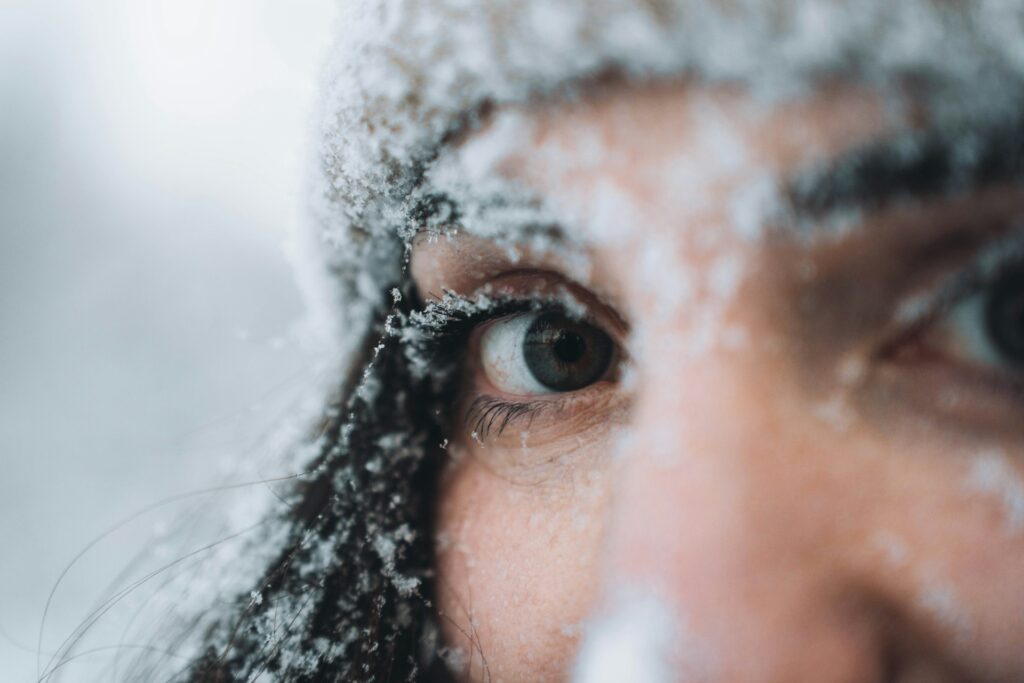
Photo by Jonas Degener on Unsplash