


<!-- WP QUADS Content Ad Plugin v. 3.0.5.1 -->
<div class="quads-location quads-ad1" id="quads-ad1" style="float:none;margin:10px;">

</div>

<p class="wp-block-wd-paragraph wd-d51f1ef3">Here are five practical ways to protect yourself from contaminated food in a prepper/survival context:</p>


<p class="wp-block-wd-paragraph wd-c9ed625d"><strong>1. Proper storage and rotation</strong></p>


<ul class="wp-block-list">
<li>Store food in airtight, food-grade containers (Mylar bags with oxygen absorbers, food-grade buckets) to keep out moisture, pests, and oxygen</li>


<li>Follow &#8220;first in, first out&#8221; rotation so nothing sits past its safe window</li>


<li>Keep storage areas cool, dark, and dry — heat and light speed up spoilage and nutrient loss</li>
</ul>


<p class="wp-block-wd-paragraph wd-71eff293"><strong>2. Know the spoilage signs and don&#8217;t gamble</strong></p>


<ul class="wp-block-list">
<li>Trust your senses: off smells, sliminess, mold, bulging cans, or off-color liquid are all reasons to toss something, no exceptions</li>


<li>A bulging or leaking can is a red flag for botulism — never taste-test to check, since the toxin can be lethal in tiny amounts and doesn&#8217;t always change taste or smell</li>


<li>&#8220;When in doubt, throw it out&#8221; is the standard rule for a reason</li>
</ul>


<p class="wp-block-wd-paragraph wd-690348dd"><strong>3. Water safety before it touches food</strong></p>
<!-- WP QUADS Content Ad Plugin v. 3.0.5.1 -->
<div class="quads-location quads-ad2" id="quads-ad2" style="float:none;margin:10px;">

</div>


<ul class="wp-block-list">
<li>Contaminated water used for washing, cooking, or rehydrating food is one of the most common ways illness spreads in survival situations</li>


<li>Boil water for at least 1 minute (3 minutes above 6,500 ft elevation), or use a reliable filter (0.2 micron or smaller) plus purification tablets/drops as backup</li>


<li>Don&#8217;t assume clear water is safe — parasites and bacteria are invisible</li>
</ul>


<p class="wp-block-wd-paragraph wd-27de2f1d"><strong>4. Safe food handling and cooking practices</strong></p>


<ul class="wp-block-list">
<li>Keep raw meat separate from ready-to-eat food, and use separate cutting surfaces if possible</li>


<li>Cook meat to safe internal temperatures (get a simple food thermometer in your kit — poultry to 165°F/74°C, ground meat to 160°F/71°C)</li>


<li>Wash hands or use hand sanitizer before handling food, especially after dealing with animals, waste, or contaminated surfaces</li>
</ul>


<p class="wp-block-wd-paragraph wd-6f2f4251"><strong>5. Have a testing/detection layer for emergencies</strong></p>


<ul class="wp-block-list">
<li>Keep basic water test strips on hand to check for contamination</li>


<li>Learn to identify signs of foodborne illness early (nausea, cramping, diarrhea) so you can isolate the suspect food and rehydrate/treat symptoms quickly</li>


<li>Stock activated charcoal and oral rehydration salts as part of a first-aid kit, since dehydration is often the bigger danger than the illness itself</li>
</ul>


<p class="wp-block-wd-paragraph wd-55eab58f">A couple of extras worth having in any prepper kit: a manual can opener, disposable gloves, and a basic understanding of which wild plants/fungi to avoid entirely rather than trying to identify them on the fly.
<!-- WP QUADS Content Ad Plugin v. 3.0.5.1 -->
<div class="quads-location quads-ad6" id="quads-ad6" style="float:none;margin:0px;">

</div>


5 Ways to Protect Yourself From Contaminated Food
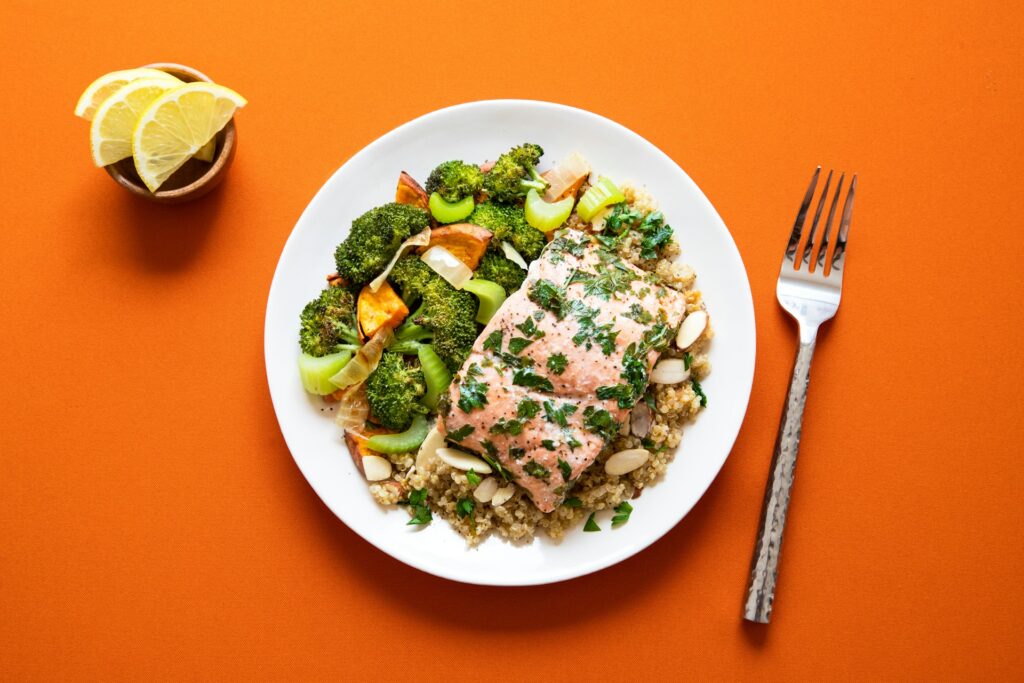
Photo by Ella Olsson on Unsplash