


<!-- WP QUADS Content Ad Plugin v. 3.0.5 -->
<div class="quads-location quads-ad1" id="quads-ad1" style="float:none;margin:10px;">

</div>

<p class="wp-block-wd-paragraph wd-e96634d5">In a survival situation, plants can be a valuable source of food—but they can also be extremely dangerous. One wrong choice can lead to illness, poisoning, or worse.</p>


<p class="wp-block-wd-paragraph wd-35734c43">The challenge is that many toxic plants look similar to edible ones. Without proper knowledge, it’s easy to make a mistake.</p>


<p class="wp-block-wd-paragraph wd-0fd44eeb">While plant identification takes practice, there are some simple guidelines that can help you reduce risk and make safer choices.</p>


<p class="wp-block-wd-paragraph wd-65b24083">Here are five practical ways to tell safer plants from potentially dangerous ones.</p>


<div class="wp-block-wd-divider wd-style-line wd-8939a581"></div>


<h2 class="wp-block-wd-title title wd-6bb6fc73"><strong>1. Avoid Plants With Milky or Discolored Sap</strong></h2>


<p class="wp-block-wd-paragraph wd-edce227a">One common warning sign is sap that appears milky, sticky, or oddly colored. Many toxic plants produce this type of sap as a defense mechanism.</p>


<p class="wp-block-wd-paragraph wd-92882c26">If you break a leaf or stem and notice:</p>


<ul class="wp-block-list">
<li>White or milky liquid</li>


<li>Unusual discoloration</li>
</ul>


<p class="wp-block-wd-paragraph wd-28d9996c">It’s best to avoid that plant.</p>


<p class="wp-block-wd-paragraph wd-e0129122"><strong>Why it matters:</strong> This is often a sign of chemical compounds that can be harmful if ingested.</p>


<div class="wp-block-wd-divider wd-style-line wd-5bae03df"></div>


<h2 class="wp-block-wd-title title wd-c68bfffa"><strong>2. Be Cautious of Brightly Colored Berries</strong></h2>


<p class="wp-block-wd-paragraph wd-44c8ce20">Bright, vibrant berries may look appealing—but many of them are toxic.</p>


<p class="wp-block-wd-paragraph wd-842caaf6">While not all colorful berries are dangerous, it’s safer to avoid:</p>


<ul class="wp-block-list">
<li>Bright red</li>


<li>Pure white</li>


<li>Unusual or glossy berries</li>
</ul>


<p class="wp-block-wd-paragraph wd-12394a9e"><strong>Important:</strong> Never assume a berry is safe just because it looks like something you recognize.</p>


<div class="wp-block-wd-divider wd-style-line wd-209e0557"></div>


<h2 class="wp-block-wd-title title wd-240ba3a3"><strong>3. Avoid Plants With a Bitter or Soapy Taste</strong></h2>


<p class="wp-block-wd-paragraph wd-50d58601">Taste can sometimes be an indicator of toxicity. Many harmful plants have a strong, bitter, or unpleasant flavor.</p>


<p class="wp-block-wd-paragraph wd-78d8abdf">If you test a small amount and notice:</p>


<ul class="wp-block-list">
<li>Bitterness</li>


<li>A burning sensation</li>


<li>A soapy or chemical taste</li>
</ul>


<p class="wp-block-wd-paragraph wd-67405770">Spit it out immediately and do not consume it.</p>


<p class="wp-block-wd-paragraph wd-b8dc3a9d"><strong>Note:</strong> Always use extreme caution when testing plants.</p>
<!-- WP QUADS Content Ad Plugin v. 3.0.5 -->
<div class="quads-location quads-ad2" id="quads-ad2" style="float:none;margin:10px;">

</div>


<div class="wp-block-wd-divider wd-style-line wd-7e63302b"></div>


<h2 class="wp-block-wd-title title wd-ba9db8ac"><strong>4. Watch for Irritation on Skin Contact</strong></h2>


<p class="wp-block-wd-paragraph wd-a669ca80">Before eating any unfamiliar plant, check how your skin reacts.</p>


<p class="wp-block-wd-paragraph wd-3bfd3188">Rub a small piece on your skin and wait a few minutes. If you notice:</p>


<ul class="wp-block-list">
<li>Redness</li>


<li>Itching</li>


<li>Burning</li>
</ul>


<p class="wp-block-wd-paragraph wd-56a9cea9">That plant may be unsafe to eat.</p>


<p class="wp-block-wd-paragraph wd-1eb037d2"><strong>Why this works:</strong> Some toxic plants cause irritation on contact, which can serve as an early warning sign.</p>


<div class="wp-block-wd-divider wd-style-line wd-c71569f2"></div>


<h2 class="wp-block-wd-title title wd-bd6606f9"><strong>5. Observe Animal Behavior—But Don’t Rely on It Completely</strong></h2>


<p class="wp-block-wd-paragraph wd-1c9a9960">Animals often eat plants that are safe for them, which can provide clues. However, this method is not foolproof.</p>


<p class="wp-block-wd-paragraph wd-29cfd6a3">Some animals can safely eat plants that are toxic to humans.</p>


<p class="wp-block-wd-paragraph wd-4e12f0a9">Use this as a general guide:</p>


<ul class="wp-block-list">
<li>If many animals eat a plant, it <em>may</em> be safer</li>


<li>But never rely on this alone to decide</li>
</ul>


<p class="wp-block-wd-paragraph wd-528068d9"><strong>Key point:</strong> Animal behavior is helpful—but not definitive.</p>


<div class="wp-block-wd-divider wd-style-line wd-aa9cd793"></div>


<h2 class="wp-block-wd-title title wd-f652402a"><strong>Extra Tips for Avoiding Dangerous Plants</strong></h2>


<ul class="wp-block-list">
<li>Avoid plants with strong chemical smells</li>


<li>Stay away from plants with fine hairs or spines</li>


<li>Don’t eat mushrooms unless you are absolutely certain</li>


<li>Stick to plants you can positively identify</li>
</ul>


<p class="wp-block-wd-paragraph wd-743736f9">When it comes to wild food, caution is always the safer choice.</p>


<div class="wp-block-wd-divider wd-style-line wd-91808dc9"></div>


<h2 class="wp-block-wd-title title wd-956863fa"><strong>Final Thoughts</strong></h2>


<p class="wp-block-wd-paragraph wd-e58e63ec">Plants can be a valuable resource—but they require knowledge and careful judgment. In survival situations, the risk of eating something unsafe often outweighs the benefit of taking chances.</p>


<p class="wp-block-wd-paragraph wd-cde3fc86">The safest approach is simple: <strong>if you’re not sure, don’t eat it.</strong></p>


<p class="wp-block-wd-paragraph wd-6ee25621">Learning even a few basic identification rules can help you avoid serious danger and make smarter decisions in the wild.</p>


<p class="wp-block-wd-paragraph wd-a54318db">Because when it comes to survival, one smart choice can make all the difference.
<!-- WP QUADS Content Ad Plugin v. 3.0.5 -->
<div class="quads-location quads-ad6" id="quads-ad6" style="float:none;margin:0px;">

</div>


5 Simple Ways to Tell Safe Plants From Dangerous Ones
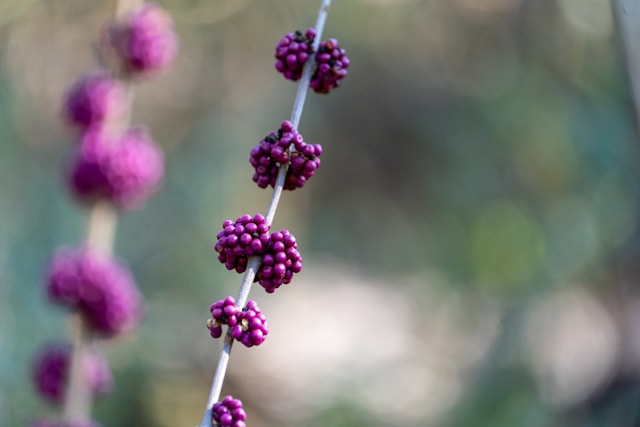
Photo by Luke Scarpino on Unsplash