


<!-- WP QUADS Content Ad Plugin v. 3.0.5 -->
<div class="quads-location quads-ad1" id="quads-ad1" style="float:none;margin:10px;">

</div>

<p class="wp-block-wd-paragraph wd-31086676">When you’re stuck outdoors without proper protection, exposure to the elements can become dangerous faster than most people realize. Cold temperatures, wind, and rain don’t just make you uncomfortable—they can lead to serious conditions like hypothermia, exhaustion, and dehydration. In many survival situations, building a shelter isn’t optional—it’s one of the first and most important things you should do.</p>


<p class="wp-block-wd-paragraph wd-ebce684f">The good news is you don’t need expensive gear or advanced skills to create something effective. With the right approach, you can build a shelter that protects you from the elements and helps you conserve energy.</p>


<p class="wp-block-wd-paragraph wd-dc3d3816">Here are five practical shelter-building techniques that can make a real difference when you need it most.</p>


<div class="wp-block-wd-divider wd-style-line wd-1da1b72e"></div>


<h2 class="wp-block-wd-title title wd-d26576eb"><strong>1. Use Natural Cover Before Building Anything</strong></h2>


<p class="wp-block-wd-paragraph wd-c03865af">Before you start gathering materials, take a moment to look around your surroundings. Nature often provides ready-made shelter—you just need to recognize it.</p>


<p class="wp-block-wd-paragraph wd-be2fc57a">Rock overhangs, dense tree cover, fallen logs, or even thick bushes can offer immediate protection from wind and rain. These natural features can save you valuable time and energy, especially if daylight is limited or weather conditions are getting worse.</p>


<p class="wp-block-wd-paragraph wd-48ff0107">However, always check for potential hazards. Avoid areas prone to flooding, falling branches, or unstable rocks. A quick inspection can prevent a bad situation from becoming worse.</p>


<div class="wp-block-wd-divider wd-style-line wd-15e9a9c7"></div>


<h2 class="wp-block-wd-title title wd-f1573a26"><strong>2. Build a Debris Shelter for Insulation</strong></h2>


<p class="wp-block-wd-paragraph wd-f2f3e34c">If you can’t find natural cover, building a debris shelter is one of the most reliable options. Start by creating a simple frame using branches—this can be a ridgepole supported by a tree or forked sticks.</p>


<p class="wp-block-wd-paragraph wd-5b9ec9ee">Once the frame is in place, pile on layers of leaves, grass, pine needles, and small branches. The goal is to create thick insulation that traps heat and blocks wind.</p>


<p class="wp-block-wd-paragraph wd-7df43d81">The more material you use, the better your shelter will perform. Many people underestimate how much debris is needed—aim for at least a couple of feet of coverage if possible. This type of shelter works especially well in cooler environments where retaining body heat is critical.</p>


<div class="wp-block-wd-divider wd-style-line wd-fa12dde7"></div>


<h2 class="wp-block-wd-title title wd-ba1c0611"><strong>3. Keep Your Shelter Small and Efficient</strong></h2>


<p class="wp-block-wd-paragraph wd-11e7bfbd">It might seem logical to build a larger shelter for comfort, but in survival situations, smaller is better. A compact shelter traps your body heat more effectively and requires fewer materials to construct.</p>
<!-- WP QUADS Content Ad Plugin v. 3.0.5 -->
<div class="quads-location quads-ad2" id="quads-ad2" style="float:none;margin:10px;">

</div>


<p class="wp-block-wd-paragraph wd-e9ddc19c">Your shelter should be just big enough for you to lie down in comfortably—no extra space. Large, open shelters allow heat to escape and can leave you colder than expected.</p>


<p class="wp-block-wd-paragraph wd-6017d75b">Focusing on efficiency rather than size also helps conserve your energy, which is just as important as staying warm.</p>


<div class="wp-block-wd-divider wd-style-line wd-d60bf3e6"></div>


<h2 class="wp-block-wd-title title wd-15cb3152"><strong>4. Elevate Yourself Off the Ground</strong></h2>


<p class="wp-block-wd-paragraph wd-84dd86f5">One of the biggest mistakes people make is sleeping directly on the ground. Even if the air temperature isn’t extremely cold, the ground can draw heat away from your body quickly.</p>


<p class="wp-block-wd-paragraph wd-ca5d89e3">To avoid this, create a barrier using dry leaves, branches, or grass. Even a few inches of insulation can make a noticeable difference in warmth and comfort.</p>


<p class="wp-block-wd-paragraph wd-436fcdf2">If materials are available, you can build a slightly raised bed using thicker branches underneath and softer materials on top. This not only helps with insulation but can also improve your rest—something your body desperately needs in a survival situation.</p>


<div class="wp-block-wd-divider wd-style-line wd-e53b2585"></div>


<h2 class="wp-block-wd-title title wd-b1a84687"><strong>5. Position Your Shelter Away From Wind and Weather</strong></h2>


<p class="wp-block-wd-paragraph wd-630b65d2">Where you place your shelter matters just as much as how you build it. Wind can strip away body heat rapidly, turning a manageable situation into a dangerous one.</p>


<p class="wp-block-wd-paragraph wd-5de41cff">Position the entrance of your shelter away from the direction of the wind. Use natural barriers like rocks, hills, or trees to block strong gusts whenever possible.</p>


<p class="wp-block-wd-paragraph wd-64b3779a">If rain is expected, make sure your shelter is slightly elevated and not in a low-lying area where water can collect. Staying dry is one of the most important factors in maintaining body temperature and avoiding hypothermia.</p>


<div class="wp-block-wd-divider wd-style-line wd-a2a65b6b"></div>


<h2 class="wp-block-wd-title title wd-ab36859a"><strong>Final Thoughts</strong></h2>


<p class="wp-block-wd-paragraph wd-5a6be940">In an outdoor emergency, your shelter is your first line of defense against the elements. It doesn’t need to be perfect or comfortable—it just needs to work.</p>


<p class="wp-block-wd-paragraph wd-b72be4b7">Focus on building quickly, using what’s available, and protecting yourself from wind, cold, and moisture. Even a basic shelter can dramatically improve your chances of staying safe until help arrives or conditions improve.</p>


<p class="wp-block-wd-paragraph wd-ae2a97a6">The key is preparation and awareness. The more familiar you are with these simple techniques, the more confident and capable you’ll be if you ever need to rely on them.
<!-- WP QUADS Content Ad Plugin v. 3.0.5 -->
<div class="quads-location quads-ad6" id="quads-ad6" style="float:none;margin:0px;">

</div>


5 Shelter-Building Tricks That Could Save Your Life Outdoors
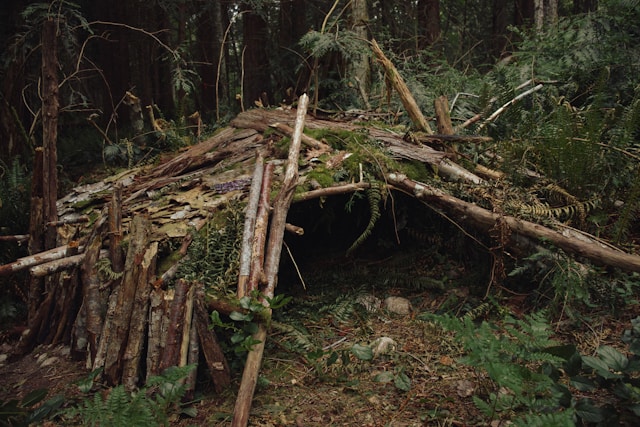
Photo by Aedrian Salazar on Unsplash