

Field Notes
5 Essential Items That Can Save Your Life in Any Emergency

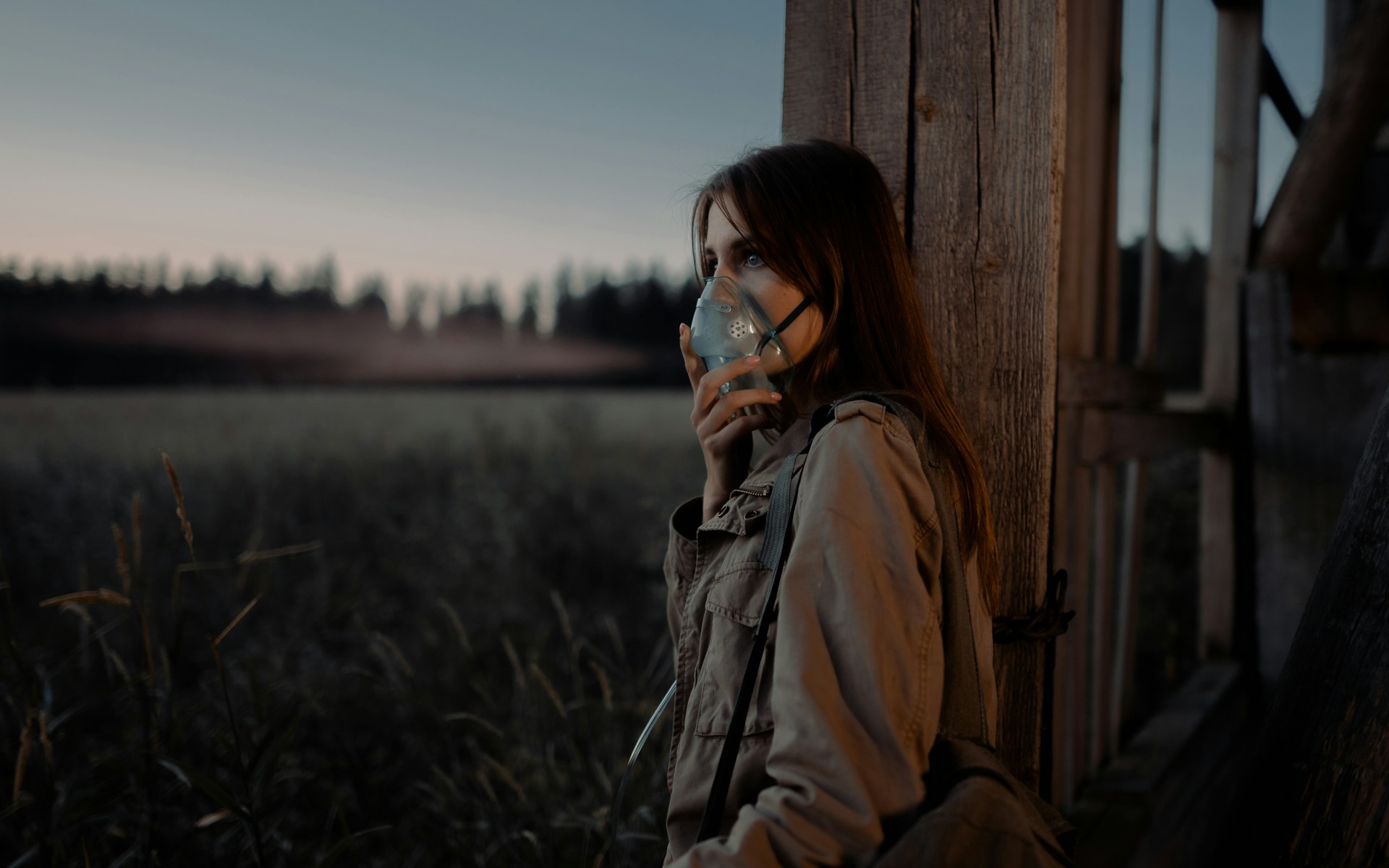
Whether you are facing a severe weather event, a prolonged power outage, or an unexpected crisis while traveling, being prepared can make all the difference. When standard infrastructure fails, having a few critical tools on hand ensures that you can handle fundamental survival needs: shelter, hydration, light, utility, and first aid.
Here are five essential items that can keep you and your family safe in virtually any emergency scenario.
1. Portable Water Filtration System
Access to clean drinking water is the single most critical priority during a crisis. Contaminated municipal water supplies or flooded infrastructure can quickly make local tap water unsafe, and bottled water stocks run out fast.
- Why it matters: A compact water filter or purification tablet setup allows you to safely draw drinking water from rainwater collection, freshwater streams, or unverified tap sources.
- Key feature to look for: Choose hollow-fiber membrane filters rated down to 0.1 microns. These filter out 99.999% of bacteria and protozoa without requiring electricity or chemical treatments.
2. Emergency Thermal Blankets (Mylar)
Hypothermia is a major risk during severe winter storms, but dangerous body temperature drops can also occur following sudden shock or exposure to heavy rainfall in mild weather.
- Why it matters: Mylar thermal blankets reflect up to 90% of your radiated body heat back to you. They are lightweight, windproof, waterproof, and take up virtually no space in a kit.
- Versatility: Beyond retaining heat, a thermal blanket can double as an emergency lean-to shelter, a reflective distress signal, or a moisture barrier on damp ground.
3. High-Lumen Flashlight or LED Headlamp
Power outages are the most common feature of severe storms and power grid failures. Navigating dark indoor or outdoor environments dramatically increases the risk of accidental injuries and structural hazards.
- Why it matters: A reliable light source provides immediate visibility, helping you assess home damage, locate essential supplies, or signal for help in low-light conditions.
- Best practice: Opt for a hands-free LED headlamp stored with fresh lithium batteries, or keep a solar/hand-crank rechargeable flashlight in your main kit.
4. Heavy-Duty Multi-Tool
In a crisis, you may need to shut off utility valves, cut jammed seatbelts, open non-perishable canned food, or repair damaged gear. Carrying a full toolbox isn’t practical during an evacuation, making a multi-tool indispensable.
- Why it matters: A quality multi-tool combines pliers, wire cutters, saw blades, can openers, and knife edges into one compact, easy-to-carry package.
- Key consideration: Choose a model crafted from stainless steel with locking blades to ensure safe operation when applying force under pressure.
5. Comprehensive First Aid & Trauma Kit
Minor injuries—such as cuts, burns, or sprains—can quickly turn into serious medical issues if left untreated when emergency services are delayed or unavailable.
- Why it matters: A well-stocked first aid kit gives you immediate capability to stop bleeding, clean wounds, and stabilize injuries until professional medical assistance arrives.
- Essentials to include: Ensure your kit features trauma shears, sterile gauze pads, adhesive bandages, antiseptic wipes, burn gel, medical tape, and a tourniquet.
Quick Comparison: Essential Emergency Gear
| Item | Primary Function | Ideal Storage Location |
|---|---|---|
| Water Filter | Prevents dehydration & waterborne illness | Go-bag, vehicle glovebox, home pantry |
| Thermal Blanket | Retains body heat & blocks elements | First aid kit, jacket pocket, car trunk |
| LED Headlamp | Hands-free illumination in dark settings | Bedside table, vehicle center console |
| Multi-Tool | Utility repairs, food prep, gear maintenance | Everyday carry (EDC) bag, car interior |
| First Aid Kit | Immediate medical treatment & wound care | Central household location, vehicle trunk |
Final Thoughts
Building an emergency readiness kit doesn’t have to be overwhelming or expensive. By focusing on versatile tools that cover fundamental human needs—hydration, warmth, light, utility, and medical care—you build a strong foundation for safety in any unexpected event.
Pro Tip: Inspect your emergency supplies twice a year (a good reminder is during daylight saving time changes) to replace expired medical items, refresh battery stocks, and verify that your equipment is ready to go when you need it most.