


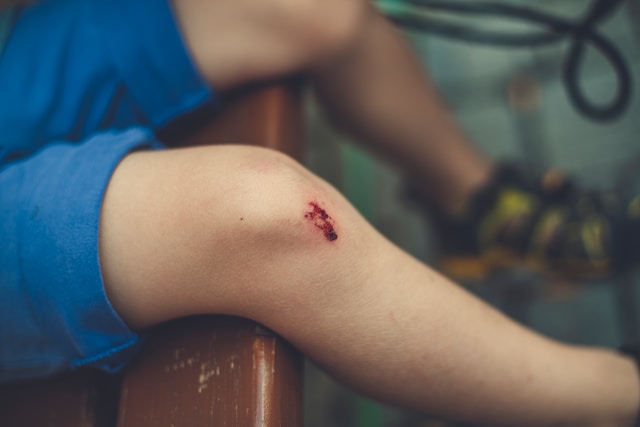
Injuries don’t always happen when professional medical care is nearby. Whether you’re outdoors, stranded, or facing an emergency, knowing how to treat minor injuries with limited resources can prevent small problems from becoming serious.
While proper medical supplies are always best, basic survival knowledge can help you manage cuts, scrapes, burns, and other minor injuries until help becomes available.
Here are five practical ways to treat injuries in survival situations when supplies are limited.
1. Clean Wounds With Safe Water Immediately
The first priority with any cut or scrape is reducing the risk of infection.
If possible:
- Rinse the wound with clean water
- Remove dirt or debris carefully
- Avoid touching it with dirty hands
Even plain water is better than leaving contamination inside the wound.
Why it matters: Infection is one of the biggest dangers in untreated injuries.
2. Use Clean Fabric as a Bandage
If you don’t have bandages, clean cloth can help protect a wound.
Possible materials include:
- A clean shirt
- A scarf
- Fabric torn from unused clothing
Covering the injury helps reduce dirt exposure and control bleeding.
Important: Use the cleanest material available to reduce contamination risk.
3. Elevate Injured Areas to Reduce Swelling
For sprains, bruises, or swelling, elevating the injured area can help reduce inflammation and discomfort.
Raise the injury slightly above heart level if possible.
This simple technique improves circulation and may slow swelling naturally.
4. Cool Minor Burns Carefully
If you experience a small burn:
- Cool it with clean, cool water
- Avoid using ice directly on the skin
- Keep the area clean and protected
Cooling the burn quickly helps limit damage and reduce pain.
Avoid: Applying unknown substances like grease or oils to burns.
5. Rest the Injury and Avoid Making It Worse
One of the most overlooked parts of injury treatment is simply resting the affected area.
Continuing to use an injured body part can:
- Increase damage
- Slow healing
- Cause more pain
When possible, reduce movement and allow your body time to recover.
Final Thoughts
You don’t need advanced medical equipment to handle every minor injury. Basic knowledge, clean materials, and smart decisions can often prevent small problems from becoming serious emergencies.
The key is acting early, staying calm, and protecting the injury from further harm.
Because in survival situations, simple care can make a major difference.